

Freestanding vs Wall Mounted Museum Display Cases: Which Is Better?


Choosing the right museum display case is a critical decision in exhibition planning. Among the most common options, freestanding and wall mounted cases each have specific benefits based on the exhibition space, artifact type, and curatorial goals.

Understanding the differences between these two display systems helps museums create more effective, secure, and visually engaging exhibitions.

freestanding vs wall mounted museum display cases

 What Are Freestanding Museum Display Cases?

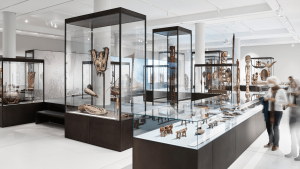
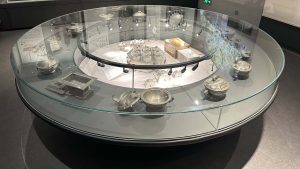
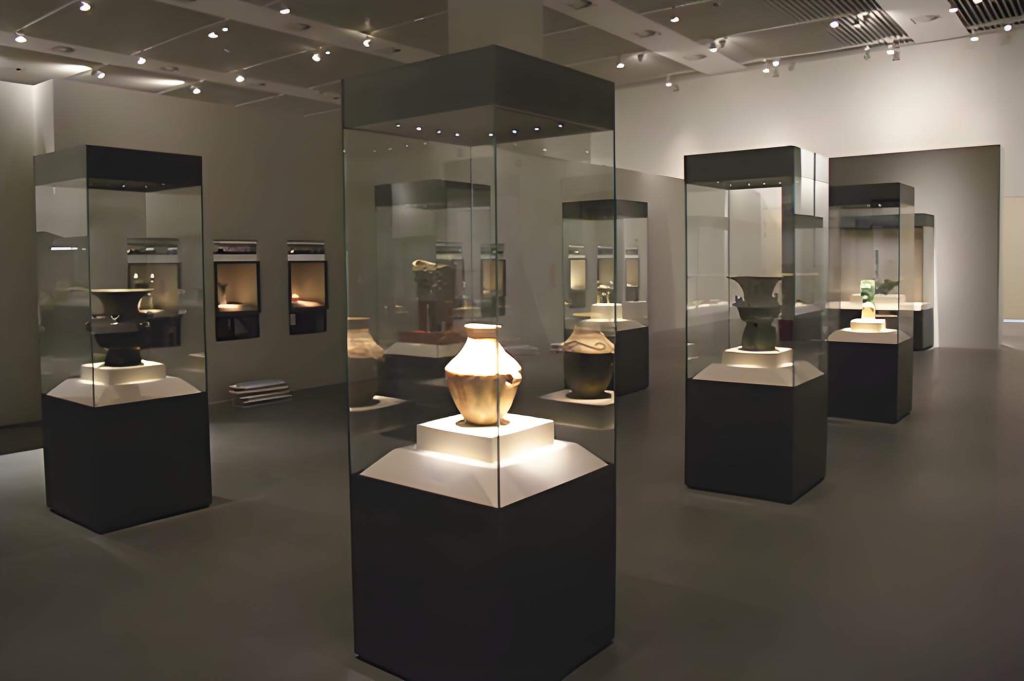
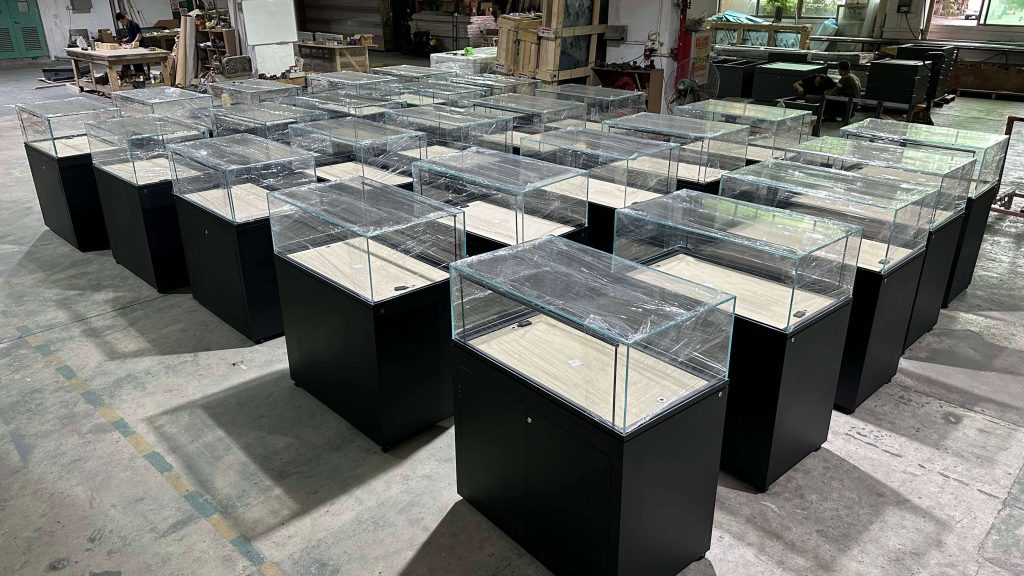
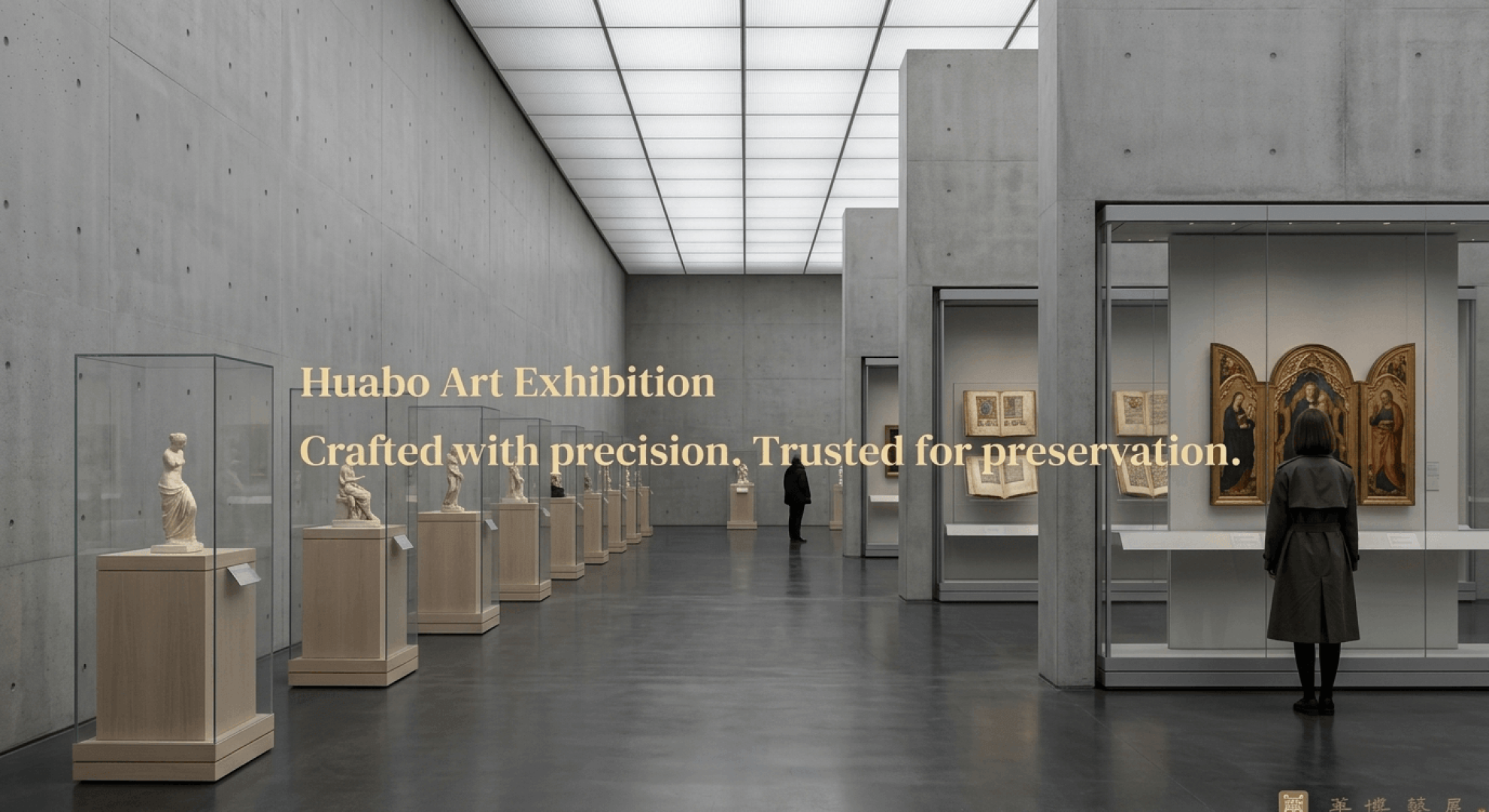
Freestanding museum display cases are independent units placed directly on the floor, allowing visitors to view artifacts from multiple angles. These cases are commonly used in central gallery spaces where objects are intended to be experienced in the round.

Key Advantages of Freestanding Display Cases

  • 360-degree visibility Visitors can observe artifacts from all sides, enhancing engagement and spatial interaction.
  • Flexible placement Freestanding cases can be repositioned to accommodate changing exhibition layouts or temporary displays.
  • Strong visual presence These cases often serve as focal points within an exhibition, drawing attention to key objects.

Considerations

  • Require more floor space
  • Must ensure high structural stability
  • Often need enhanced security features for open environments

What Are Wall Mounted Museum Display Cases?

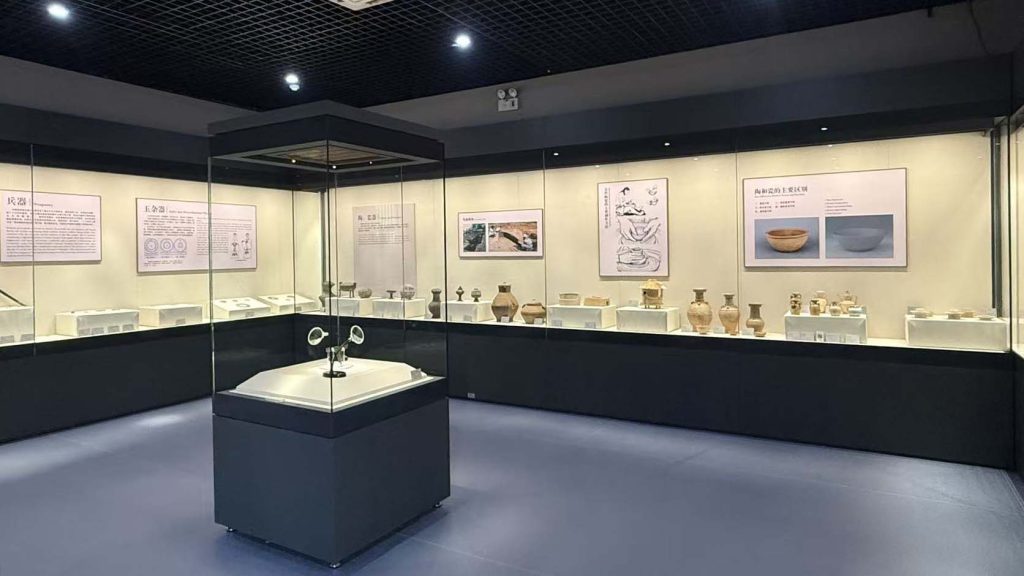
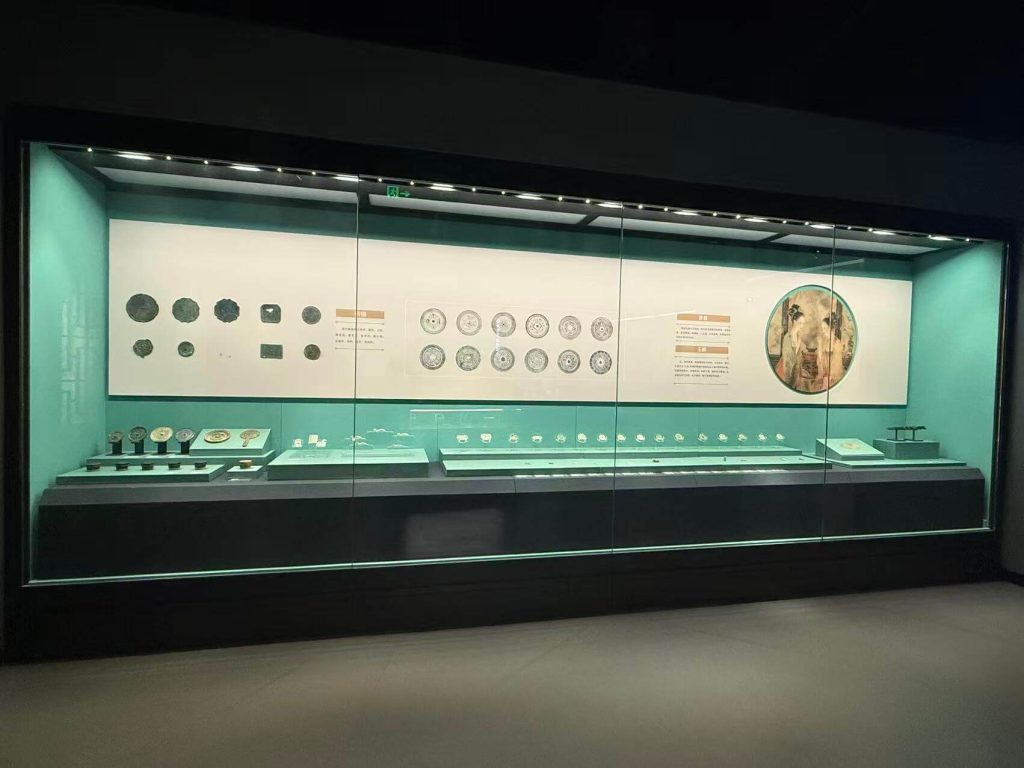
Wall mounted museum display cases are integrated into or attached to walls, making them ideal for linear displays and space-efficient exhibition layouts. These cases are commonly used for artifacts that benefit from close viewing and contextual interpretation.

Key Advantages of Wall Mounted Display Cases

  • Efficient use of space Ideal for galleries with limited floor area or narrow circulation paths.
  • Clear viewing direction Guides visitor attention and supports structured storytelling.
  • Ease of integration with graphic panels Works well with text, images, and interpretive materials.

Considerations

  • Limited viewing angles
  • Less flexibility once installed
  • May require precise wall structure support

Choosing Based on Exhibition Goals

The decision between freestanding and wall mounted display cases should begin with the exhibition concept and overall museum display case design.
  • For highlight objects or centerpiece artifacts, freestanding museum display cases provide visibility and presence.
  • For narrative-driven exhibitions, wall mounted display cabinets help organize content in a clear and linear sequence.
Curators often use a combination of both systems to create a balanced exhibition experience.
counter display cases factory

Conservation and Environmental Control Considerations

Regardless of type, both freestanding and wall mounted museum display cases must meet conservation standards.

Sealed enclosures, climate control options, and appropriate lighting systems are essential for protecting sensitive artifacts in display cases.The choice of case type should not compromise environmental stability or long-term preservation requirements.

Security and Accessibility

Security requirements apply equally to both systems, and every secure exhibition display case should ensure reliable protection. Secure exhibition display cases should incorporate reliable locking mechanisms, stable structures, and controlled access for museum staff.

Freestanding cases may require additional stability and anti-vibration features, while wall mounted systems must ensure secure anchoring and structural integrity.

cultural exhibition engineering

Flexibility and Long-Term Use

Museums increasingly prioritize flexibility in exhibition design.


Freestanding display cases offer greater adaptability for temporary exhibitions and evolving layouts. Wall mounted cases, on the other hand, are better suited for permanent or semi-permanent installations where consistency and structure are key.

Finding the Right Balance

There is no single “better” option between freestanding and wall mounted museum display cases. The most effective exhibitions often combine both, using each type strategically based on spatial conditions, artifact requirements, and curatorial intent.

By carefully evaluating these factors, museums can select display solutions that enhance visitor experience while ensuring the protection and presentation of cultural heritage.

Gemini_Generated (1)
Scroll to Top