


Museum Display Case Design: Key Factors Curators Should Consider

museum display case design

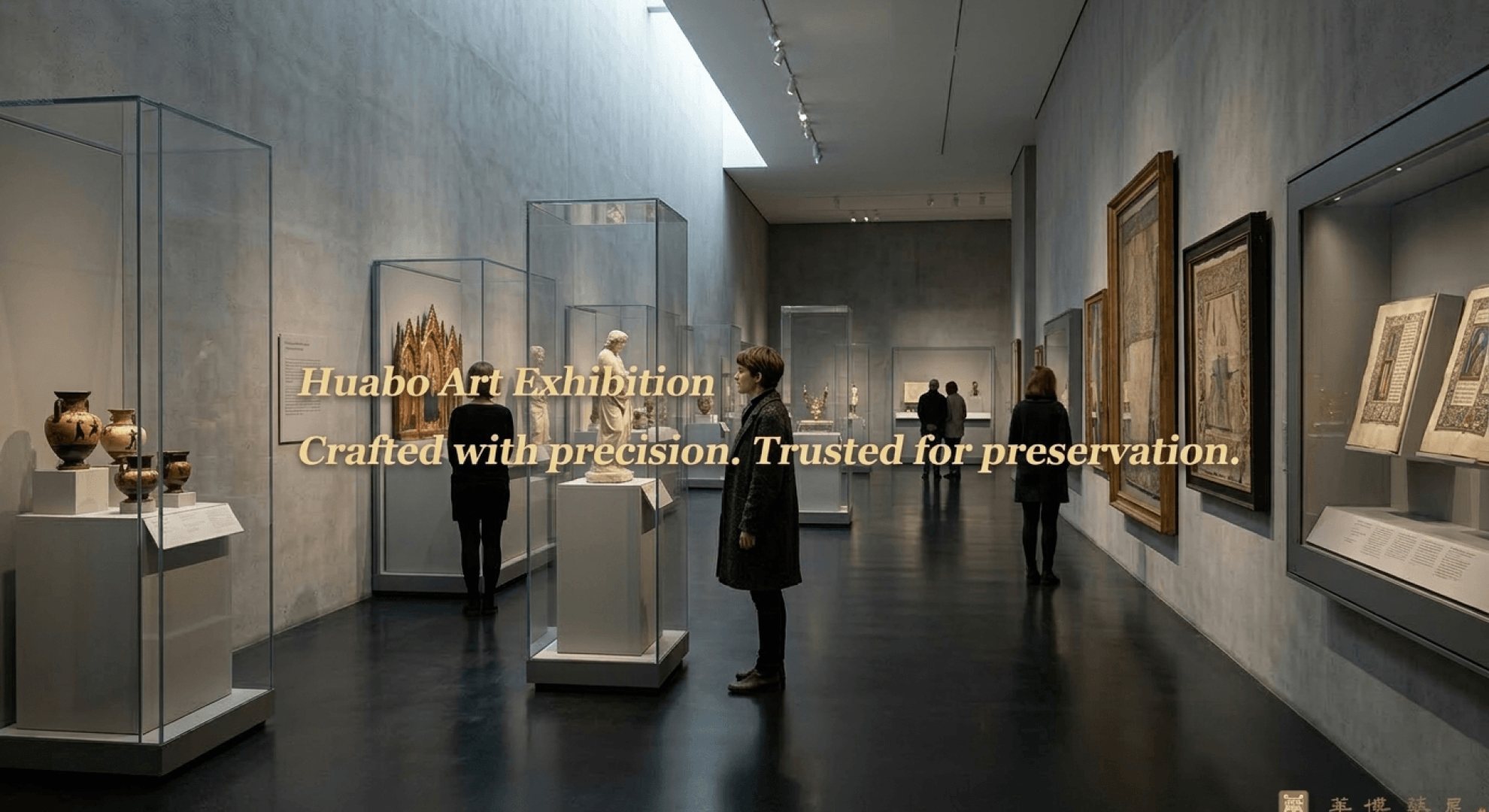
Designing an effective museum exhibition requires more than selecting objects and arranging them within a gallery space. Display cases play a crucial role in shaping how artifacts are protected, interpreted, and experienced by visitors.

For curators and exhibition designers, choosing the right museum display case design involves balancing conservation requirements, spatial aesthetics, and visitor engagement.

museum display case manufacturers

Aligning Display Case Design with Exhibition Goals

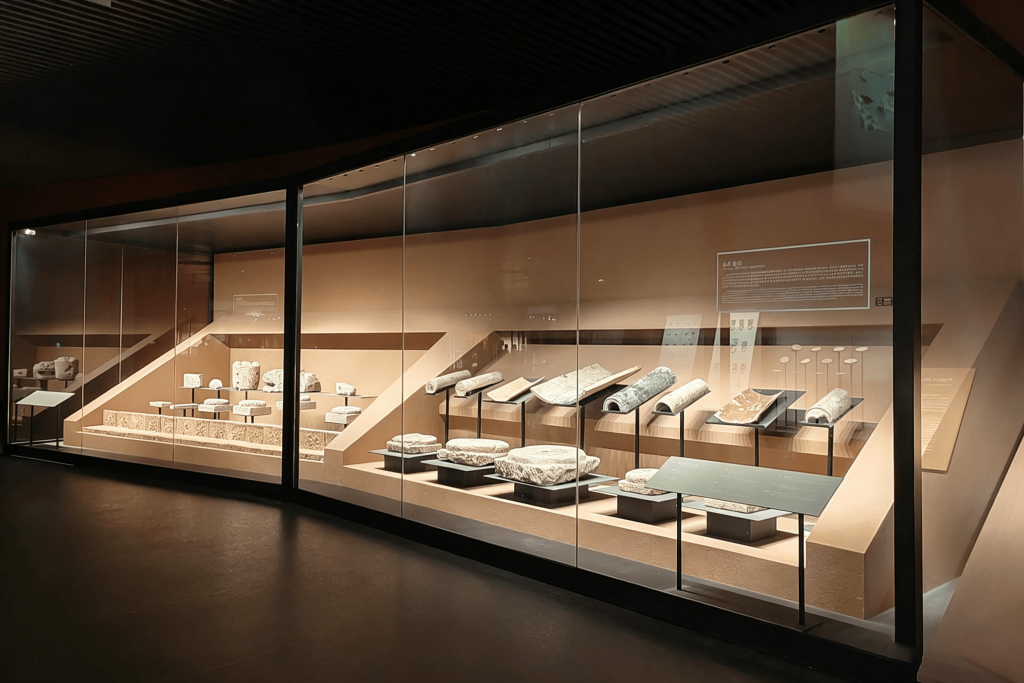
Every exhibition has its own narrative and interpretive objectives. The design of museum display cases should support the curatorial concept while ensuring that artifacts remain the visual focus.

Minimalist structures, low-iron glass, and carefully integrated lighting are often used to maintain visual clarity and allow objects to stand out. Well-designed display cases help guide visitors’ attention while preserving the authenticity of the exhibition environment.

Protecting Sensitive Artifacts in Display Cases

Conservation Requirements and Environmental Control

Conservation remains one of the most important factors in display case design. Many artifacts are highly sensitive to fluctuations in temperature, humidity, and light exposure.

Modern museum display cabinets are often designed with sealed structures that support microclimate stability. These systems can incorporate humidity buffering materials or climate control technologies to maintain suitable environmental conditions for delicate collections.

Integrating conservation considerations early in the design phase helps prevent long-term deterioration and reduces the need for complex adjustments after installation.

Spatial Integration within the Gallery

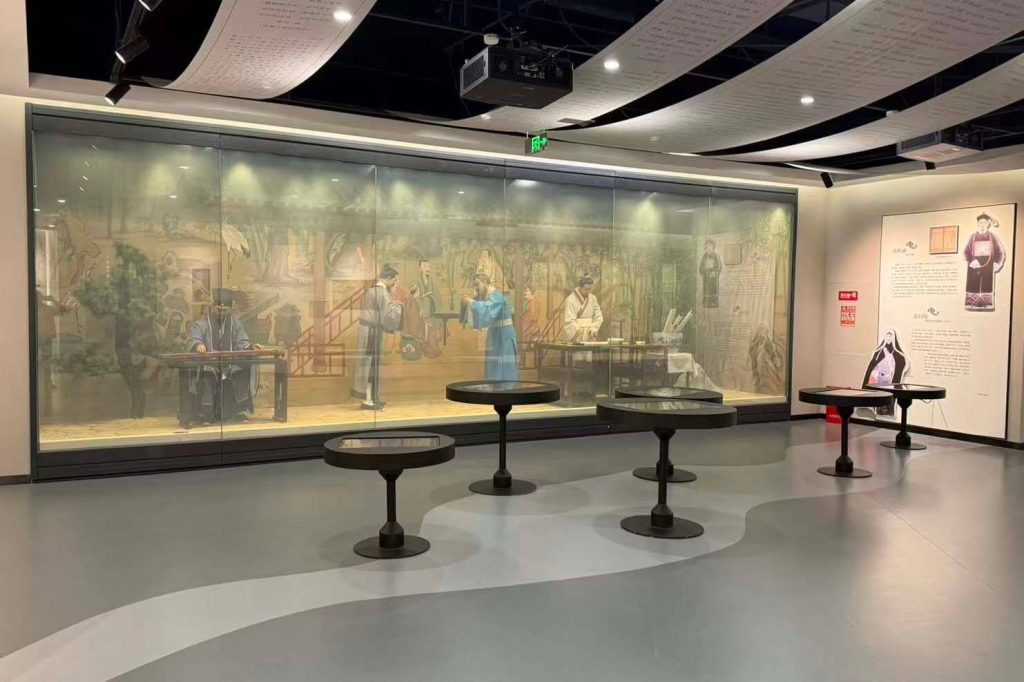
Display cases must also work harmoniously within the architectural context of the museum. Gallery layout, visitor circulation, and viewing distances all influence the choice of freestanding, wall-mounted, or modular display systems.

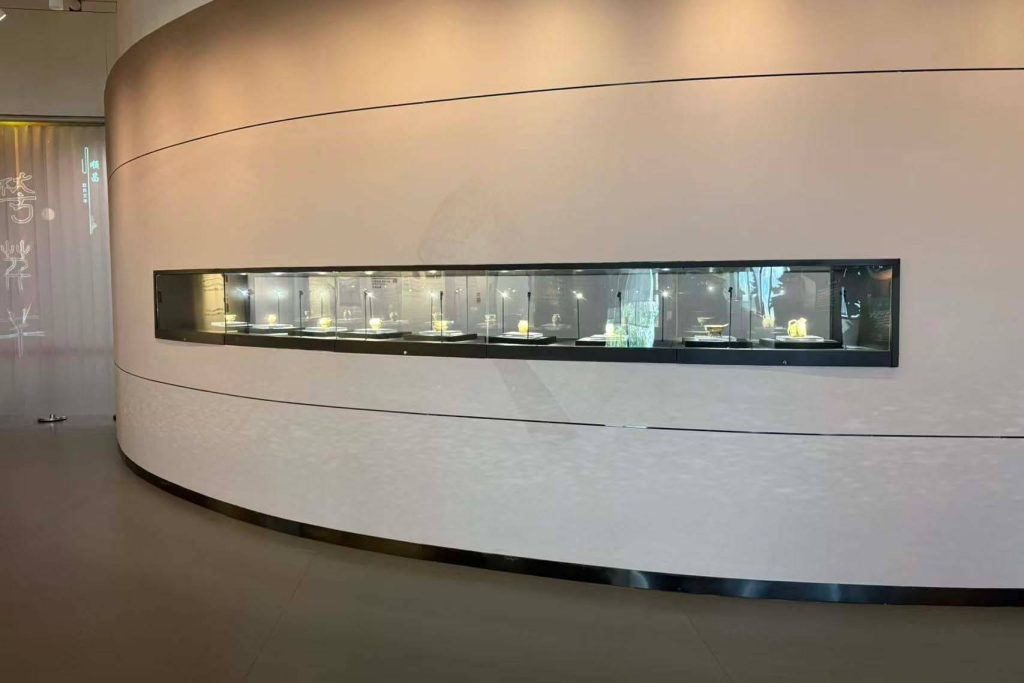
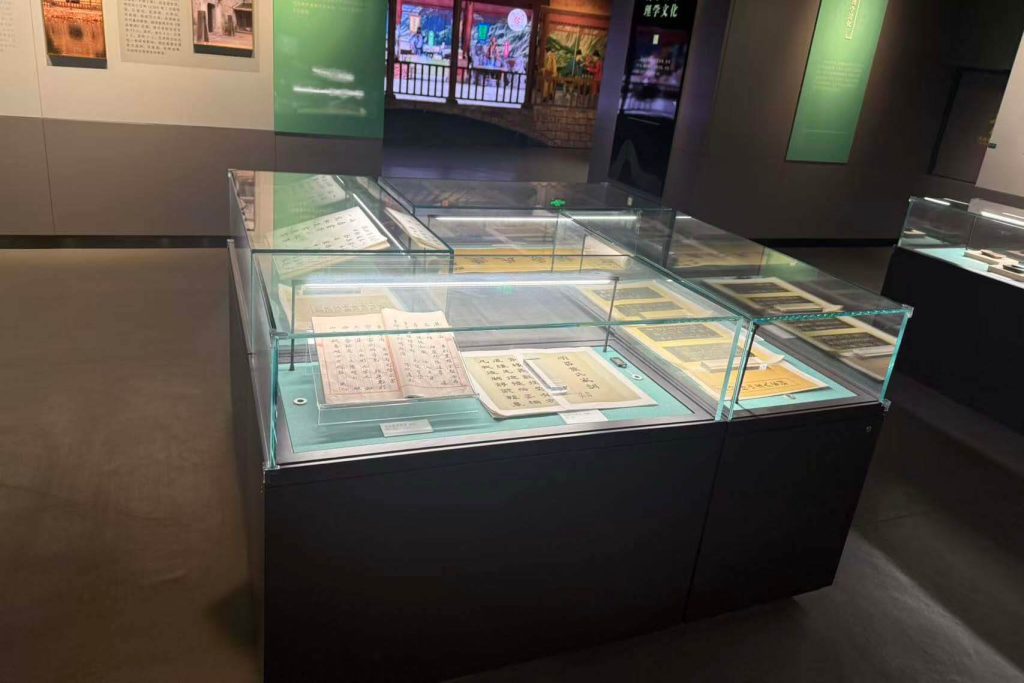
Freestanding museum display cases work well in central exhibition zones, where visitors can see objects at multiple angles. Wall display cabinets typically suit artifacts that need close viewing and contextual interpretation.

Thoughtful spatial integration ensures that display cases enhance the overall exhibition design rather than competing with it.

Custom Niche Case

Lighting Strategies for Artifact Presentation

Lighting plays a key role in both presentation and conservation. Carefully controlled lighting helps reveal details, textures, and colors while minimizing the risk of photochemical damage.

LED lighting systems with adjustable intensity and low ultraviolet emissions are now widely used in museum display cases. These systems allow curators to achieve balanced illumination while protecting sensitive artifacts.

Security and Accessibility

Security considerations are another essential component of display case design. Secure locking systems, stable structures, and controlled access points help protect valuable objects during public exhibitions.

At the same time, display cases must allow safe access for conservators and museum staff. Designs that balance security with practical accessibility support efficient exhibition maintenance and artifact care.

Modular Museum Display Case

Flexibility for Future Exhibitions

Museums frequently update exhibitions or host temporary displays. Flexible display case systems allow institutions to adapt their galleries without requiring major structural changes.

Modular museum display cases and adaptable mounting solutions provide curators with the ability to reorganize displays while maintaining consistent conservation and security standards.

Designing for Long-Term Museum Value

Ultimately, effective museum display case design is about more than aesthetics or functionality alone. It requires a holistic understanding of conservation science, exhibition storytelling, and visitor engagement.

By integrating these elements into the design process, museums can create exhibition environments that protect cultural heritage while delivering meaningful and memorable experiences for audiences.

6
Scroll to Top