

How to Choose the Right Museum Display Case for Your Project

custom museum display cases

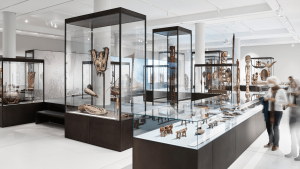
Choosing the right museum display case is a critical step in any exhibition project. The decision affects not only how artifacts are presented, but also how they are protected over time.

With a wide range of museum display cabinets available, understanding key selection factors can help curators and project managers make informed decisions that balance design, conservation, and functionality.

how to choose museum display case

Define Your Exhibition Objectives

The first step in selecting a museum display case is to clearly define the goals of the exhibition.

Are you highlighting a single masterpiece, presenting a narrative sequence, or showcasing a large collection? Each scenario may require a different display approach.

Display cases should support the curatorial concept while ensuring that artifacts remain the focal point.

best display cases for museum exhibits

Consider Artifact Type and Sensitivity

Different artifacts have different conservation requirements. Materials such as paper, textiles, wood, and metals respond differently to environmental conditions.

When selecting a museum display cabinet, it is essential to evaluate whether climate control, humidity buffering, or sealed enclosures are needed.

Sensitive artifacts often require display cases designed specifically for artifact protection in display cases, ensuring stable internal conditions.

Evaluate Space and Layout Constraints

The gallery’s physical space largely determines which display case type to use.

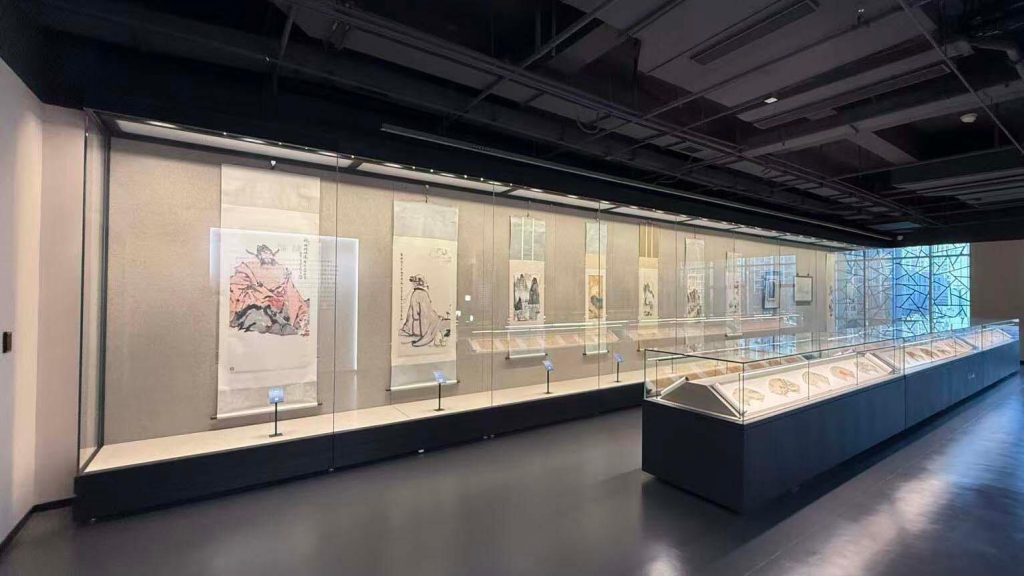
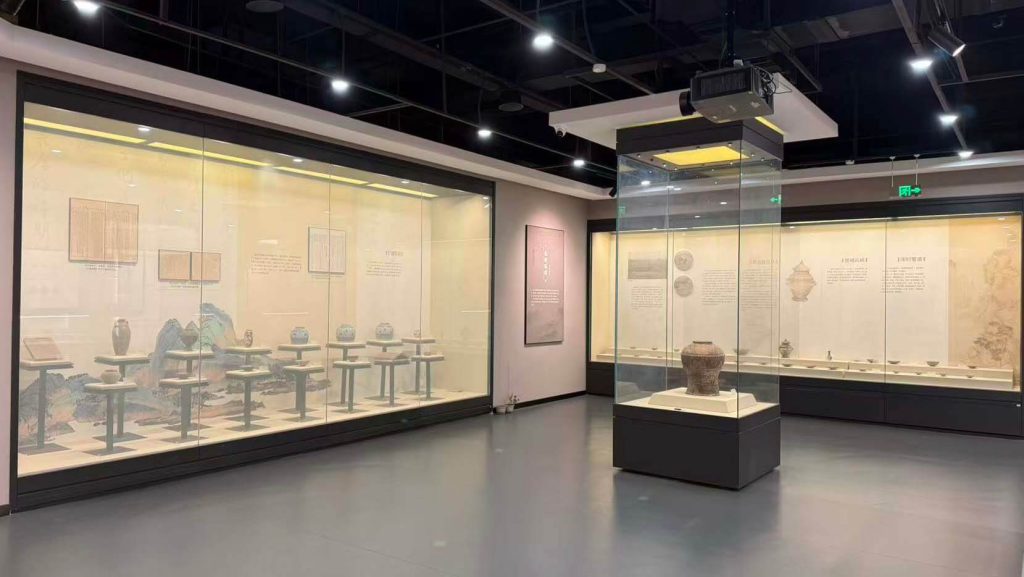
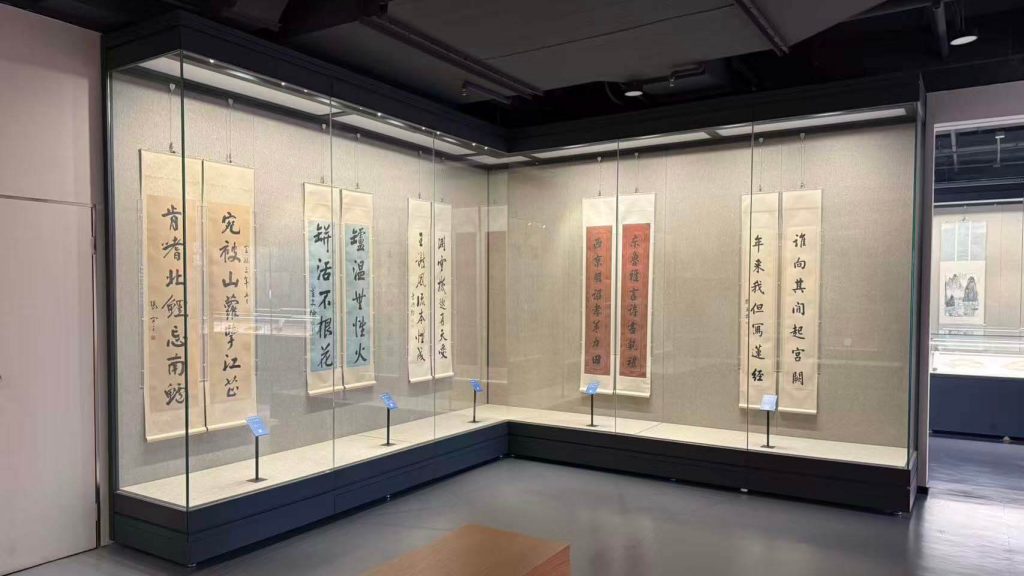
Freestanding display units work well in open areas. Wall mounted cabinets perform better in linear or tight spaces.

Proper spacing, visitor flow, and viewing distance need consideration during planning.

custom display cases for museum exhibits

Prioritize Security and Accessibility

Security is a fundamental requirement in museum exhibitions. A secure exhibition display case should include reliable locking systems, stable structures, and controlled access.

At the same time, display cases must allow safe and efficient access for curators and conservators during installation and maintenance.

Balancing security and accessibility is essential for long-term usability.

Assess Lighting and Visual Presentation

Lighting significantly impacts both the visual presentation and the preservation of artifacts.

Modern museum display case design often incorporates LED lighting systems with low UV output and adjustable intensity.

The goal is to enhance visibility without causing long-term light damage to sensitive materials.

museum display case design

Plan for Flexibility and Future Use

Museums frequently update exhibitions or host temporary displays. Choosing flexible display case systems allows for easier reconfiguration.

Modular museum display cases provide adaptability without compromising conservation or security standards.

This approach helps reduce long-term costs and improves operational efficiency.

Work with Experienced Display Case Specialists

Selecting the right display case is not only about products, but also about expertise.

Collaboration among curators, designers, and display specialists ensures that all project aspects are considered early.

This integrated approach leads to more effective and sustainable exhibition solutions.

Conclusion

Choosing the right museum display case requires a comprehensive understanding of exhibition goals, artifact needs, spatial conditions, and conservation standards.

By taking a structured approach, museums can create exhibition environments that are both visually compelling and professionally reliable.

Gemini Generated 4
Scroll to Top