



Museum Display Case Specifications: A Complete Buyer's Checklist

Introduction

Choosing a museum display case involves much more than selecting a size or style. Every exhibition has unique conservation requirements, security considerations, and visitor experience goals. Understanding the technical specifications before purchasing helps museums make informed decisions and avoid costly modifications later.

museum display case specifications

1. Display Case Dimensions

The overall dimensions should correspond to the size of the artifact, viewing distance, gallery circulation, and future exhibition flexibility.

When selecting a museum display cabinet, avoid choosing the largest possible case. Instead, allow sufficient breathing space around the object to improve visibility and storytelling. 

museum display case glass

2. Glass Specifications

Museum-quality glass directly affects visitor experience.

Common options include:

  • Low-iron glass
  • Laminated safety glass
  • Anti-reflective glass
  • UV-filtering glass

These materials improve transparency while protecting valuable collections.

3. Environmental Performance

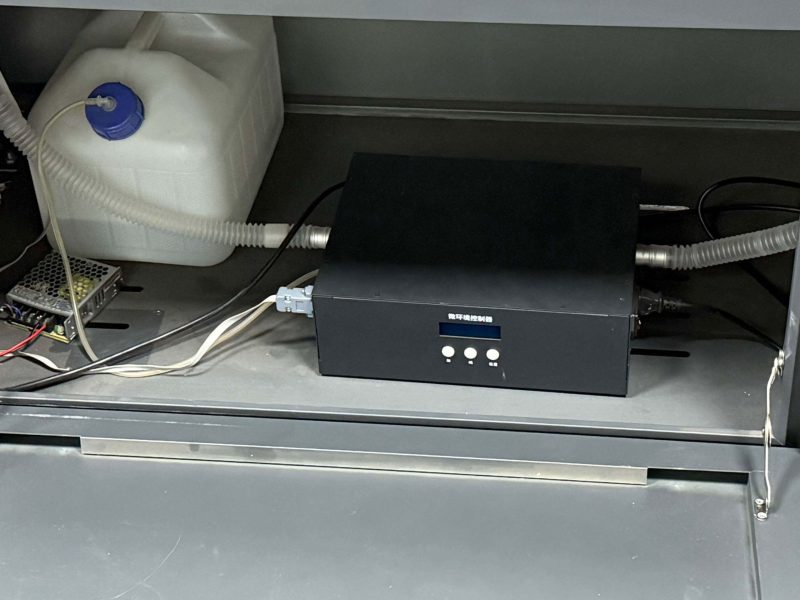
Sensitive collections require stable environmental conditions.

Evaluate whether the display case includes:

  • Airtight construction
  • Humidity buffering
  • Passive or active climate control
  • Environmental monitoring sensors

These features are particularly important for paper, textiles, wood, and archaeological artifacts.

Museum display case environmental performance
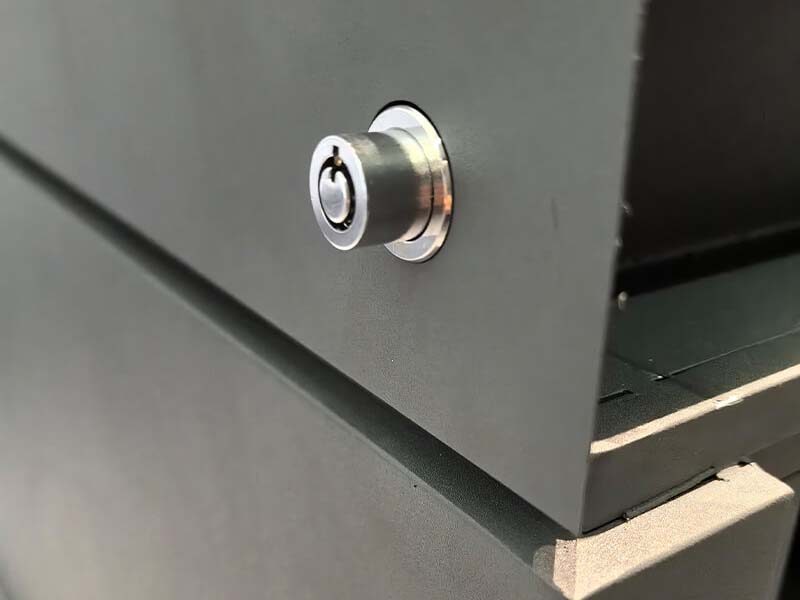
Museum display case hidden lock

4. Security Features

A professional museum display case should include multiple layers of protection.

Typical security options include:

  • Concealed locking systems
  • Laminated safety glazing
  • Anti-vibration structures
  • Alarm integration
  • Controlled maintenance access

5. Lighting System

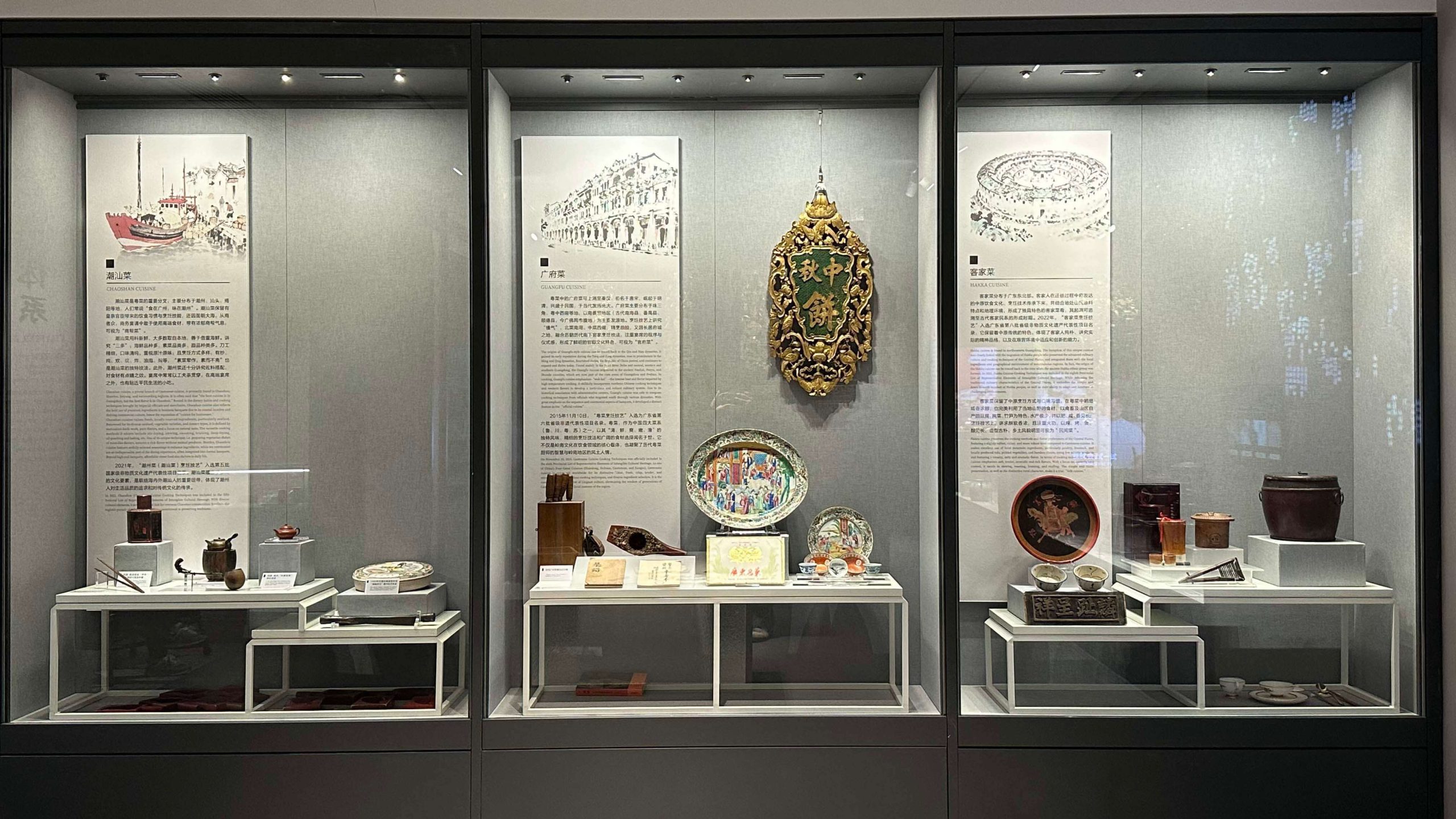
Lighting should improve visibility without accelerating deterioration.

Museum display cases increasingly use:

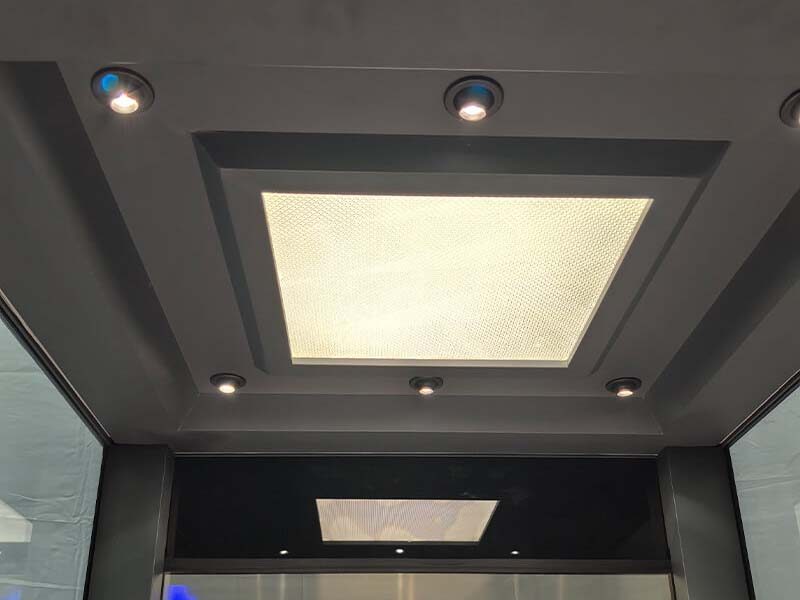
  • High CRI LED lighting
  • Low UV output
  • Adjustable brightness
  • Hidden fixtures
Museum display case lighting

6. Accessibility

Curators and conservators need convenient access during installation and maintenance.

Consider:

  • Opening direction
  • Maintenance space
  • Replaceable lighting modules
  • Sensor accessibility
6

7. Future Flexibility

Museums frequently rotate exhibitions.

Modular display case systems make future adjustments easier while reducing renovation costs.

Final Thoughts

A museum display case is more than a showcase—it is an integrated conservation system.

By evaluating specifications such as glass, climate control, lighting, security, and flexibility, museums can select solutions that meet both present and future exhibition needs.

Gemini Generated 1
Scroll to Top