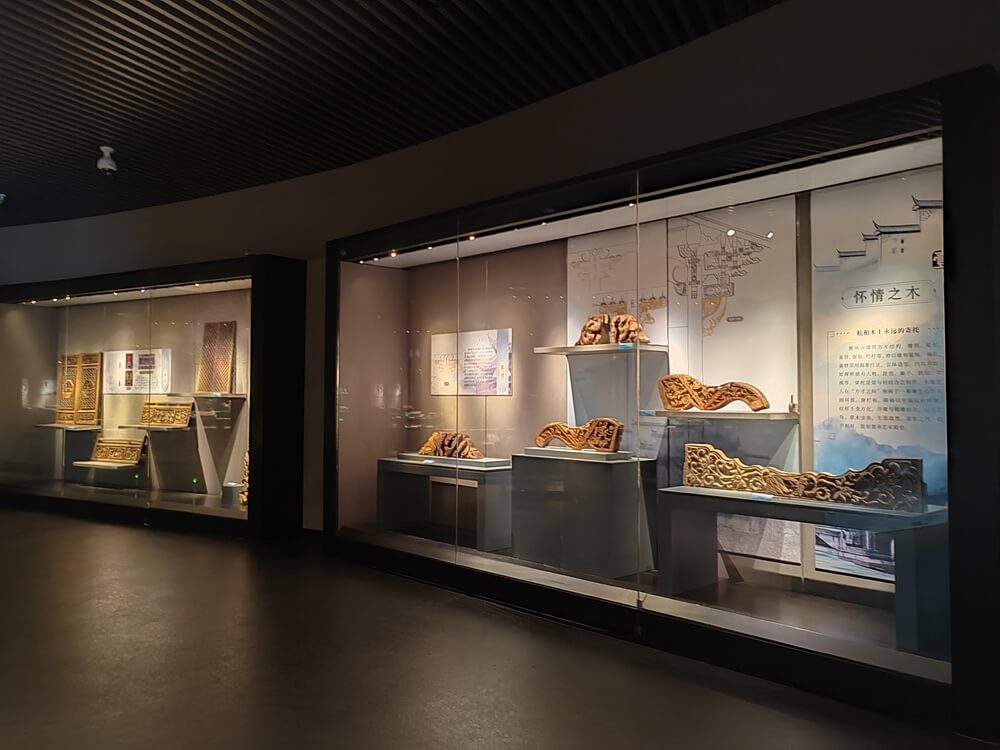
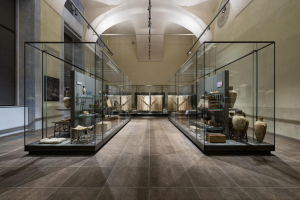
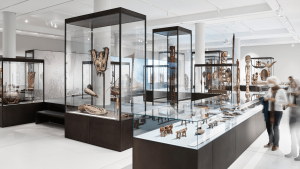
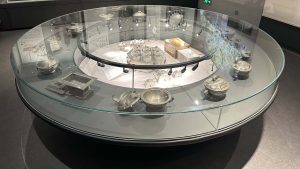
Another premium option is Anti-Reflective (AR) Glass. Traditional glass surfaces can create distracting reflections from gallery lighting or nearby windows. AR glass significantly reduces surface reflection, allowing visitors to focus entirely on the exhibit rather than their own reflections. Many world-class museums use AR glass to create an almost invisible viewing experience.
UV-Protective Glass is essential for light-sensitive collections such as manuscripts, photographs, textiles, paintings, and archival materials. By blocking up to 99% of harmful ultraviolet radiation, it helps preserve original colors and prevents premature aging of artifacts.
For the highest level of performance, many museums choose Museum Grade Glass, which combines low-iron clarity, anti-reflective coatings, UV protection, and laminated safety construction. This solution delivers superior visibility, conservation performance, and security in a single system.
Selecting the right glass is more than a technical decision. It directly influences artifact preservation, exhibition quality, and visitor satisfaction. By understanding the available options, museums can create displays that are both visually impressive and conservation-friendly.
While understanding the different types of museum display case glass is important, selecting the right glass for a specific exhibit is equally critical. Different artifacts require different levels of protection, visibility, and security. Learn more in our guide on how to choose the right glass for different museum display applications.