Museum Display Case Glass: How to Choose the Right Glass for Your Exhibition
Introduction
Lighting is one of the most important elements of a museum exhibition. The right lighting can reveal the details, colors, and textures of an artifact while helping create a clear and engaging visitor experience.
However, museum lighting must do more than make objects visible. Excessive or poorly controlled light can contribute to the deterioration of sensitive materials.
For this reason, museum display case lighting should be designed as part of a complete exhibition and conservation strategy, balancing visual presentation with long-term artifact protection.
Why Lighting Matters in Museum Display Cases
Artifacts are displayed to be seen, but many materials are sensitive to light exposure.
Paper, textiles, photographs, manuscripts, pigments, and other organic materials may be particularly vulnerable to prolonged exposure.
The challenge for museums is therefore to provide sufficient illumination for visitors without unnecessarily increasing the cumulative light exposure received by the artifact.
A well-designed display case lighting system should consider both visual quality and conservation requirements.
LED Lighting for Museum Display Cases
LED technology has become widely used in modern museum exhibitions because it offers flexibility and efficient illumination.
Compared with many traditional lighting technologies, LED systems can provide controlled illumination with low heat output and can be designed with low ultraviolet emissions.
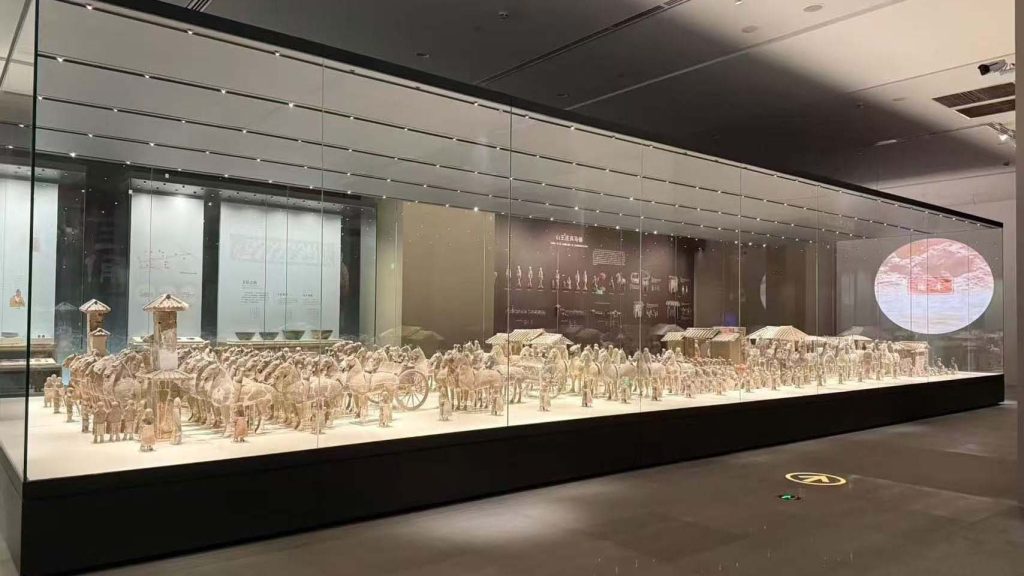
LED lighting can also be integrated directly into museum display cabinets, allowing designers to create cleaner exhibition environments while reducing visible fixtures.
Color Rendering and Visual Accuracy
Lighting quality is not determined only by brightness.
Color rendering is also important when displaying artworks, historical objects, textiles, ceramics, and other artifacts where accurate color perception contributes to the visitor experience.
High-quality lighting systems can provide consistent color rendering, allowing visitors to perceive the artifact more naturally.
The lighting system should therefore be selected according to both the artifact characteristics and the intended exhibition atmosphere.
Controlling Light Intensity
Different materials have different levels of sensitivity to light.
Instead of using the same brightness for every artifact, museums can adjust illumination according to conservation requirements.
Dimmable LED systems allow exhibition teams to control light intensity and create different lighting levels for different display cases.
This approach can help balance visitor visibility with the need to control unnecessary exposure.
Reducing Glare and Reflections
Lighting and glass must be considered together.
Even high-quality museum display case glass can produce unwanted reflections if lighting fixtures are positioned incorrectly.
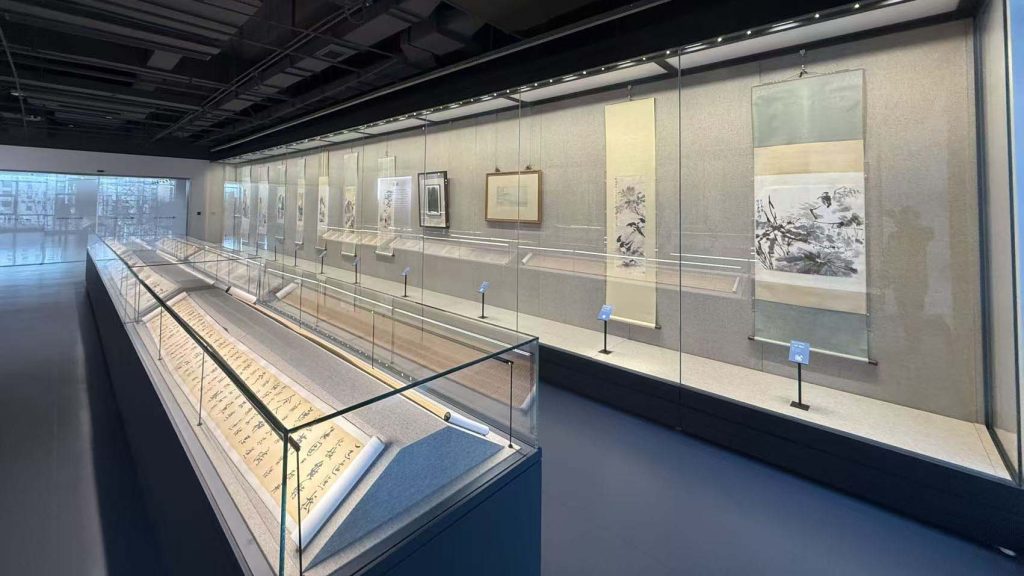
Careful placement of light sources, appropriate beam angles, and the use of museum display case glass can help reduce distracting reflections.
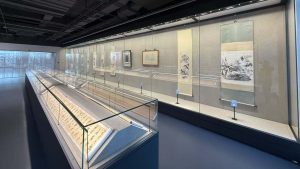
This is particularly important for glass-fronted display cases containing paintings, manuscripts, photographs, or small objects that require close viewing.
Integrated Lighting Design
Modern museum display case design increasingly incorporates lighting directly into the structure.
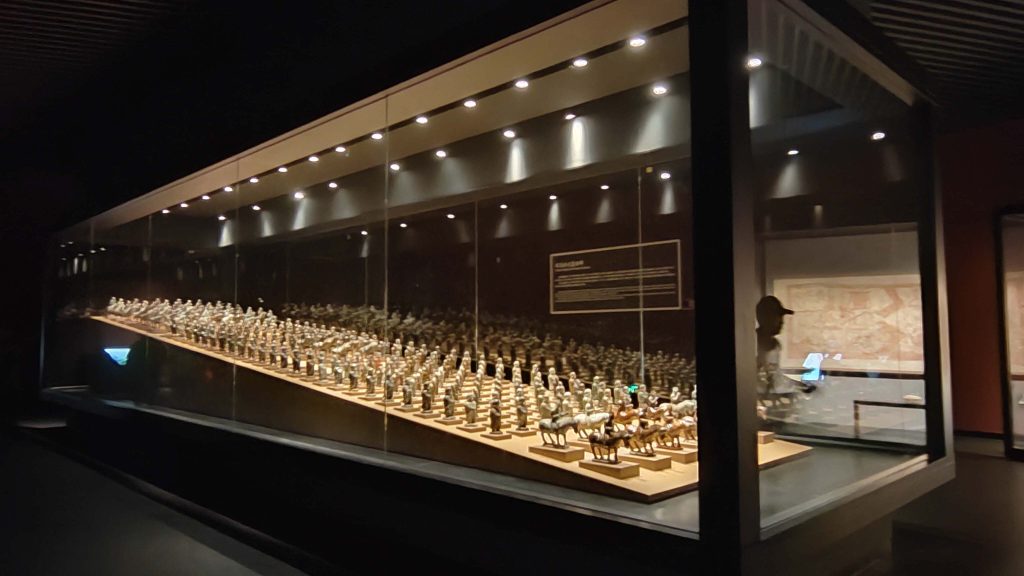
Lighting can be positioned within the top frame, side panels, or other concealed areas of the display case.
Integrated systems can provide a cleaner appearance while helping direct light precisely toward the artifact.
The position and angle of each light source should be considered during the design stage rather than added after the display case has been manufactured.
Lighting and Artifact Conservation
Lighting is only one component of protecting sensitive artifacts in display cases.
Museums should consider illumination together with exposure duration, material sensitivity, environmental conditions, and display case sealing.
For particularly sensitive artifacts, the exhibition team may need to establish appropriate illumination levels and monitoring procedures.
The goal is not simply to make an artifact brighter. It is to achieve the appropriate level of visibility while minimizing unnecessary exposure.
Choosing the Right Lighting for Different
Artifacts
Different collections may require different lighting strategies.
Textiles and Paper
These materials can be highly sensitive to light and may require carefully controlled illumination and exposure time.
Paintings and Artworks
Accurate color rendering and controlled glare can be especially important for paintings and fine art.
Ceramics and Metal Objects
These objects may allow greater flexibility in lighting levels, although reflections and surface highlights should still be carefully controlled.
Archaeological Artifacts
Lighting should support the visibility of surface details while considering the material’s conservation requirements.
Lighting for Visitor Experience
Conservation is essential, but museum lighting also contributes to storytelling.
A carefully designed lighting scheme can guide visitor attention, highlight important objects, and create visual hierarchy within an exhibition.
The most effective museum display case lighting therefore achieves two goals simultaneously: protecting the artifact and communicating its significance.
Planning Lighting During the Design Stage
Lighting should be considered early in the project rather than treated as a final decorative element.
During the planning process, curators, exhibition designers, lighting specialists, conservators, and display case manufacturers can work together to determine:
- Required illumination levels
- Light source location
- Color rendering requirements
- Glare control
- Dimming capabilities
- Maintenance access
- Integration with environmental and security systems
These requirements should also be considered when defining the overall museum display case specifications.Early coordination can reduce installation problems and improve the final exhibition result.
Conclusion
Effective museum display case lighting requires a balance between visual presentation and artifact protection.
LED technology, adjustable intensity, controlled color rendering, glare reduction, and integrated lighting systems can help museums create clear and engaging exhibitions while supporting conservation objectives.
By treating lighting as an integral part of museum display case design, institutions can achieve a more professional exhibition environment that respects both the artifact and the visitor experience.