Museum Display Case Security: Locks, Sensors, and Access Control
Introduction
Security is a fundamental consideration in museum display case design. Valuable artifacts require protection against unauthorized access, accidental damage, and potential theft, while museum staff still need convenient access for installation, cleaning, and collection management.
A well-designed museum display case security system combines physical protection, reliable locking mechanisms, appropriate sensors, and carefully planned access procedures. The right solution depends on the value and characteristics of the collection, the exhibition environment, and the museum’s overall security strategy.
1. Why Museum Display Case Security Matters
Museum display cases serve two important purposes: presenting artifacts to the public and helping protect them within a controlled environment.
Security requirements vary depending on the type of collection. Jewelry, historical weapons, archaeological objects, manuscripts, and other valuable items may require different levels of physical protection and access control.
Security should therefore be considered during the initial design stage rather than added after manufacturing. Early planning helps ensure that locks, sensors, structural components, and maintenance access work together effectively.
2. High-Security Locking Systems
Locks are among the most visible components of a museum display case security system.
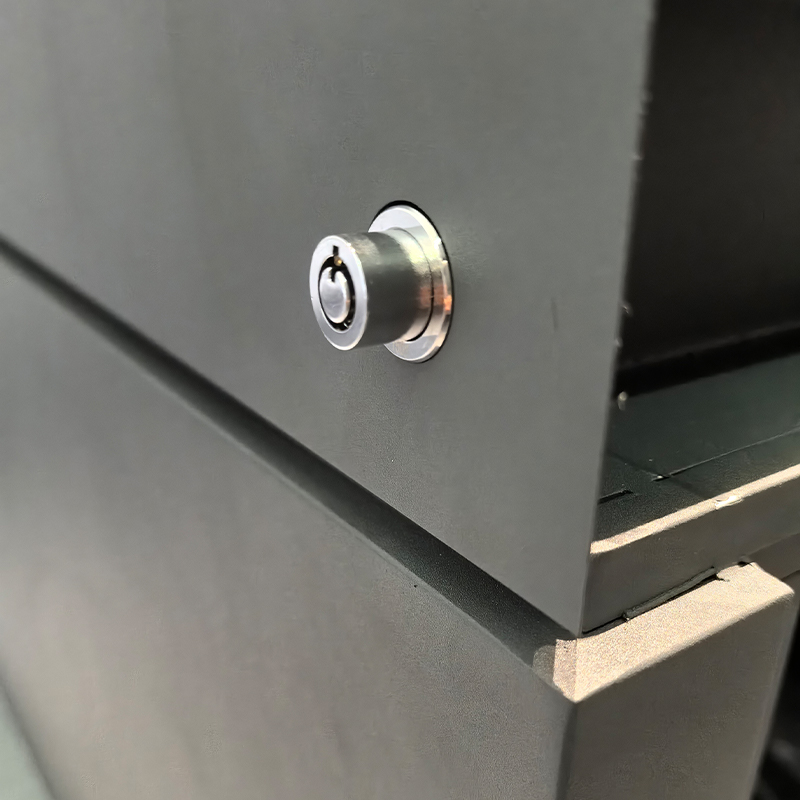
Depending on the project, display cases may use concealed mechanical locks, high-security locking cylinders, or electronically controlled locking mechanisms. The choice should reflect the required security level, frequency of access, and operational preferences of museum staff.
A well-integrated locking system should resist unauthorized access while allowing authorized personnel to open and close the enclosure efficiently.
Lock placement, door alignment, structural reinforcement, and the quality of the surrounding frame are also important. Even a high-quality lock cannot compensate for weaknesses elsewhere in the enclosure.
3. Glass and Structural Protection
The glass enclosure and supporting structure form the physical barrier between visitors and the artifacts.
Depending on the collection and risk assessment, museums may specify laminated safety glass, reinforced framing, secure fixing methods, or other protective glazing configurations.
Glass selection should balance visibility, structural performance, and security requirements. Panel dimensions, support conditions, installation methods, and applicable standards should all be evaluated when determining the appropriate specification.
For high-value collections, security planning should address the complete enclosure rather than focusing on glass thickness alone.
4. Door Sensors and Access Monitoring
Door sensors can help museums monitor whether a display case has been opened.
When integrated with an appropriate monitoring system, these sensors can notify authorized personnel of unexpected access or changes in the enclosure’s status.
Sensor selection and placement depend on the opening mechanism, case structure, and required monitoring functions. The system should also account for routine activities such as artifact installation, cleaning, and maintenance to reduce unnecessary alerts.
Clear operating procedures help staff identify approved access and recognize events that require further investigation.
5. Vibration and Glass-Break Detection
Some museum display cases can incorporate vibration sensors or glass-break detection as part of a broader security arrangement.
These devices may help identify certain forms of impact, tampering, or attempted forced entry. Their effectiveness depends on sensor design, installation, sensitivity settings, and the surrounding environment.
Exhibition spaces may experience normal vibrations caused by visitor movement, nearby equipment, or building operations. Proper configuration and testing are essential to minimize false alarms while maintaining effective protection.
No individual sensor can detect every possible threat, so detection technology should complement physical security measures and established museum procedures.
6. Integrating Display Cases with Museum Alarm Systems
For projects requiring centralized monitoring, display case security equipment may be integrated with the museum’s wider alarm or building security system.
Depending on compatibility and project requirements, this may include door-status monitoring, alarm notifications, or connections to approved security control equipment.
Integration should be planned with the museum’s security team and relevant system specialists. Compatibility, communication methods, power requirements, maintenance responsibilities, and alarm-response procedures should be confirmed before installation.
A coordinated approach helps ensure that the display case functions as part of the museum’s overall security environment.
These requirements should be confirmed during the museum display case manufacturing process to ensure that security components are properly integrated and tested.
7. Access Control and Staff Operations
Security must protect artifacts without making everyday museum operations unnecessarily difficult.
Museum staff may need access for installation, inspection, cleaning, conservation work, and exhibition changes. Display case design should consider opening direction, maintenance clearance, locking arrangements, and safe handling procedures.
For some projects, electronic access control may be appropriate. Other exhibitions may be better served by carefully managed mechanical locking systems.
The best choice depends on staff workflows, the number of authorized users, maintenance requirements, and the museum’s existing security procedures.
8. Security and Conservation Work Together
Security is only one part of a successful museum display case.
The enclosure may also need to support environmental stability, museum display case lighting, and appropriate materials for the objects being displayed.
Locks, sensors, wiring, and access mechanisms should be integrated without unnecessarily compromising sealing performance, visual clarity, or maintenance access.
Coordination among curators, conservators, exhibition designers, security specialists, and the display case manufacturer helps ensure that these requirements are addressed together.
9. A Security Checklist for Museum Projects
Before finalizing museum display case specifications, project teams should evaluate security risks, access requirements, and system compatibility.
What are the main security risks for the collection?
What level of physical protection is required?
Which locking mechanism best suits staff operations?
Are door sensors, vibration detection, or glass-break detection necessary?
Must the display cases connect to a centralized alarm system?
How will authorized access be managed?
Can the system be maintained and tested conveniently?
Have the complete enclosure and installation conditions been evaluated?
Answering these questions early can help project teams select suitable equipment and avoid costly changes later.
Conclusion
Effective museum display case security depends on more than a single lock or sensor. It requires a coordinated approach to physical protection, access monitoring, structural design, system integration, and staff procedures.
By evaluating these elements during the design and procurement stages, museums can select display case solutions that support collection security while preserving accessibility, visibility, and day-to-day operational efficiency.
For customized museum display cases, security features should always be specified according to the project’s actual risks, collection requirements, and applicable standards.