US Returns 64 Chinese Cultural Relics and Fossils
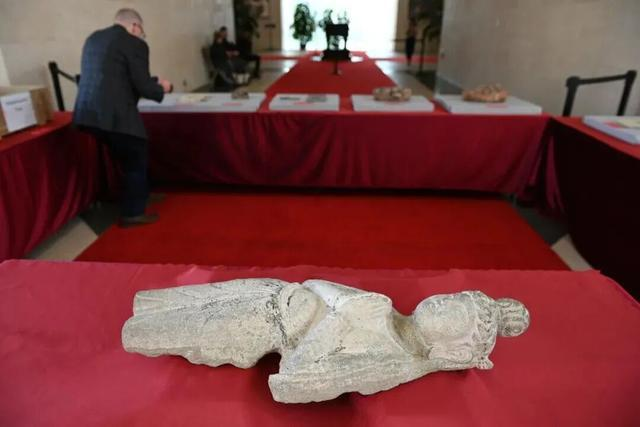
The return of cultural heritage can mark the beginning of a new chapter in preservation. On September 16 and 17, 2026, the United States returned two batches totaling 64 Chinese cultural relics, artworks and paleontological fossils to China. The handovers took place in Washington and New York, where China’s National Cultural Heritage Administration formally received the returned items.
The first batch included 58 pieces returned by Homeland Security Investigations in Washington. Among them was a Bodhisattva figure from Cave 17 of the Tianlongshan Grottoes in Shanxi Province. According to the Chinese Embassy in the United States, the sculpture had been looted and taken overseas more than a century ago. Other returned objects included pottery figurines, stone statues and paleontological fossils with historical, cultural and scientific value.
A second batch of six cultural relics and artworks was returned in New York on September 17 by the Manhattan District Attorney’s Office. This marked the fifth time that the Manhattan office has returned Chinese cultural property to China.
Repatriation Is Only the Beginning
When cultural heritage returns to its country of origin, the journey does not end at the handover ceremony. It enters a new stage involving research, conservation, storage and public exhibition.
Returned artifacts may have different material structures and conservation requirements. Stone sculptures, pottery figures, historical documents and fossils can respond differently to temperature, humidity, light, dust and physical handling. Museums therefore need appropriate preservation environments and carefully designed exhibition systems.
This is where museum display cases become an important part of cultural heritage protection.
Protecting Artifacts During Exhibition
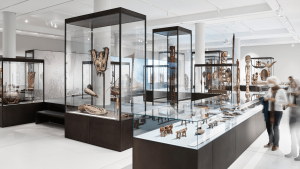
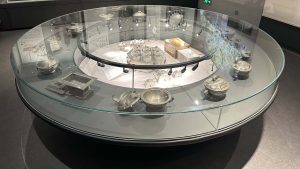
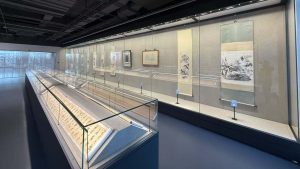
A professional museum display case does more than provide a transparent barrier between an artifact and visitors. It can help create a controlled and secure micro-environment while allowing the object to remain visible.
Depending on the collection and exhibition concept, museum display cases may incorporate environmental control, sealed construction, security locks, alarm systems, specialized lighting and low-reflection glass. These features can help museums balance three essential goals: protecting the artifact, presenting it clearly and providing visitors with an engaging experience.
For particularly sensitive collections, integrated temperature and humidity monitoring can provide additional information about the exhibition environment. Security systems can also help protect valuable objects during long-term public display.
From Cultural Heritage to Public Knowledge
The return of cultural relics also creates opportunities for museums to reconnect objects with their historical and cultural contexts.
The Chinese Embassy noted that returned cultural heritage can receive further protection, research and utilization after coming home. The repatriation of the Zidanku silk manuscript, for example, has enabled related fragments to be reunited for further multidisciplinary study.
For museums, exhibition is therefore not simply about placing an object behind glass. A well-designed display can connect an artifact with its history, explain its significance and allow the public to encounter cultural heritage in a safe and meaningful environment.
Designing for the Next Chapter
The recent return of 64 Chinese cultural relics, artworks and fossils highlights an important principle of museum work: bringing cultural heritage home and protecting it for the future are closely connected responsibilities.
As museums continue to preserve returned collections and make them accessible to the public, customized exhibition solutions can provide the security, environmental control and visual clarity required by different types of artifacts.
Huabo Art Exhibition develops customized museum display cases for museums, galleries, cultural institutions and exhibition projects. From independent display cases and wall-mounted solutions to specialized cases with environmental monitoring and security features, each system can be designed around the collection, exhibition space and conservation requirements.
Cultural heritage may travel a long way before returning home. Once it arrives, preservation becomes the next chapter.