Curator Guide: Protecting Sensitive Artifacts in Display Cases
Museums are responsible for preserving cultural heritage while making collections accessible to the public. For curators and conservators, this balance often presents a complex challenge: how to safely display fragile artifacts without exposing them to environmental risks.
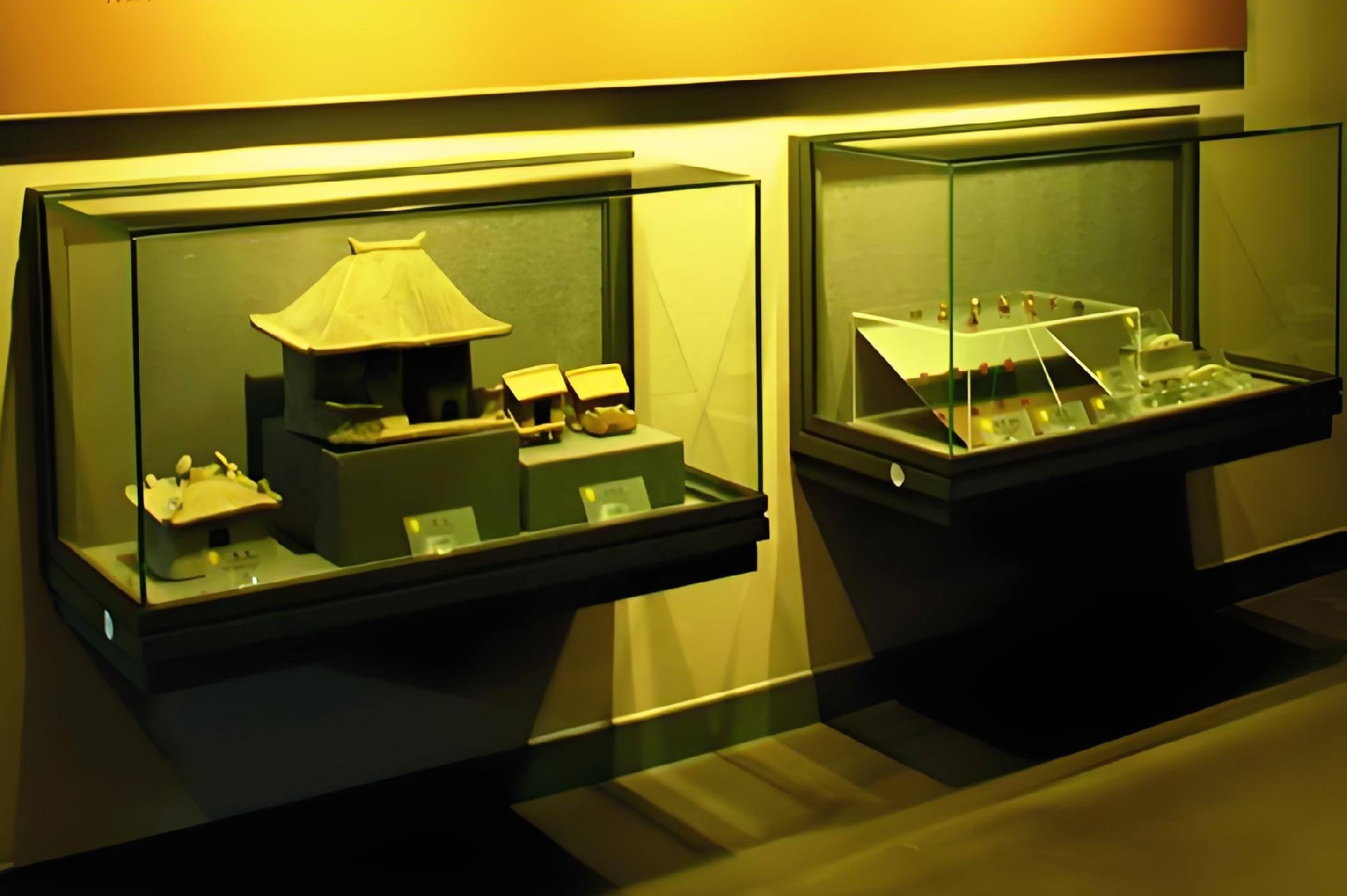
Museum display cases play a central role in this process. When properly designed and implemented, they provide a controlled environment that protects objects while supporting meaningful exhibition design.
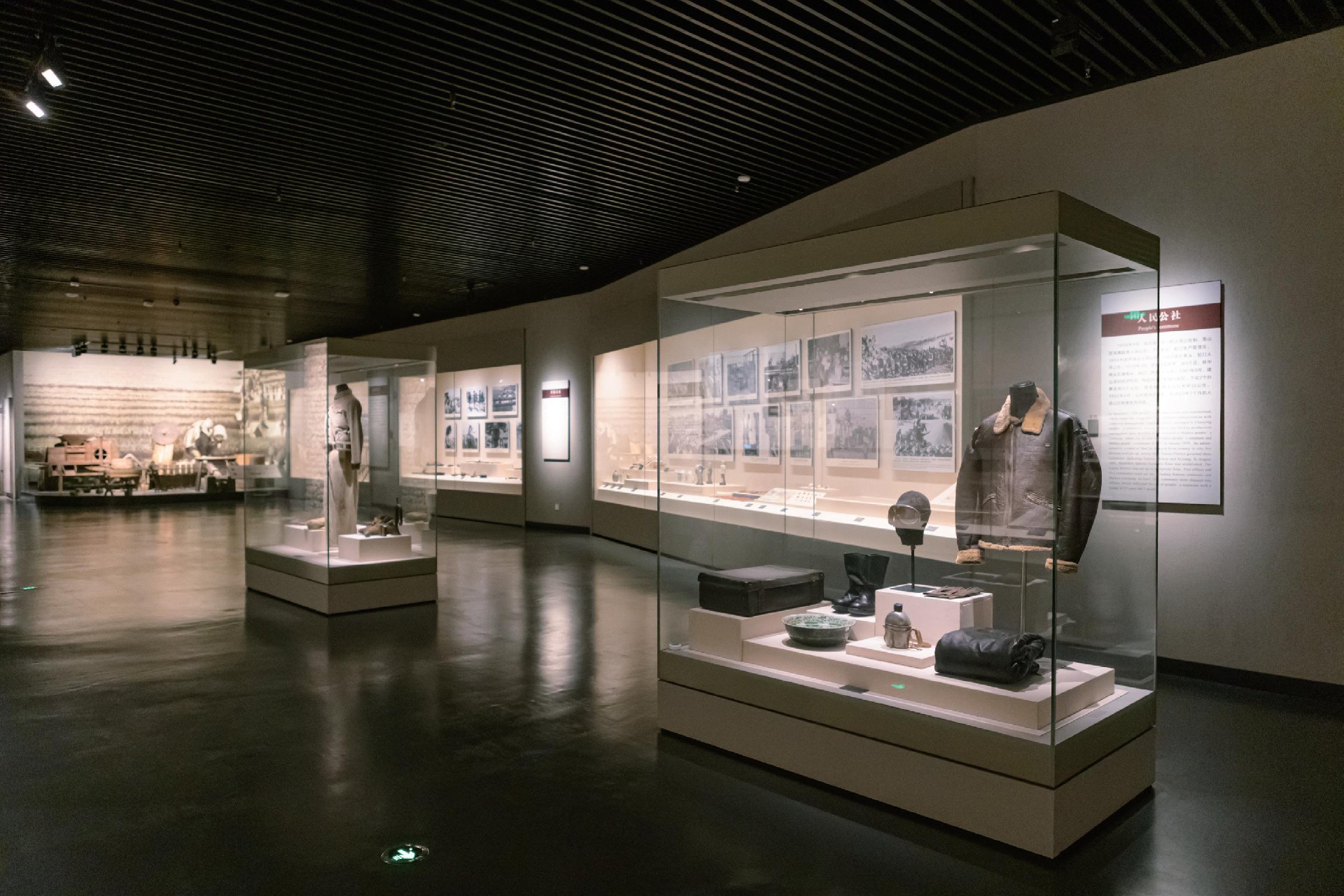
Understanding the Risks to Sensitive Artifacts
Many museum collections include materials that are highly vulnerable to environmental changes. Organic materials such as textiles, paper, leather, wood, and pigments can deteriorate rapidly if exposed to unstable humidity, excessive light, or pollutants.
Even small fluctuations in temperature or relative humidity can cause expansion, contraction, or chemical degradation. For this reason, exhibition display systems must be designed not only for presentation but also for preventive conservation.
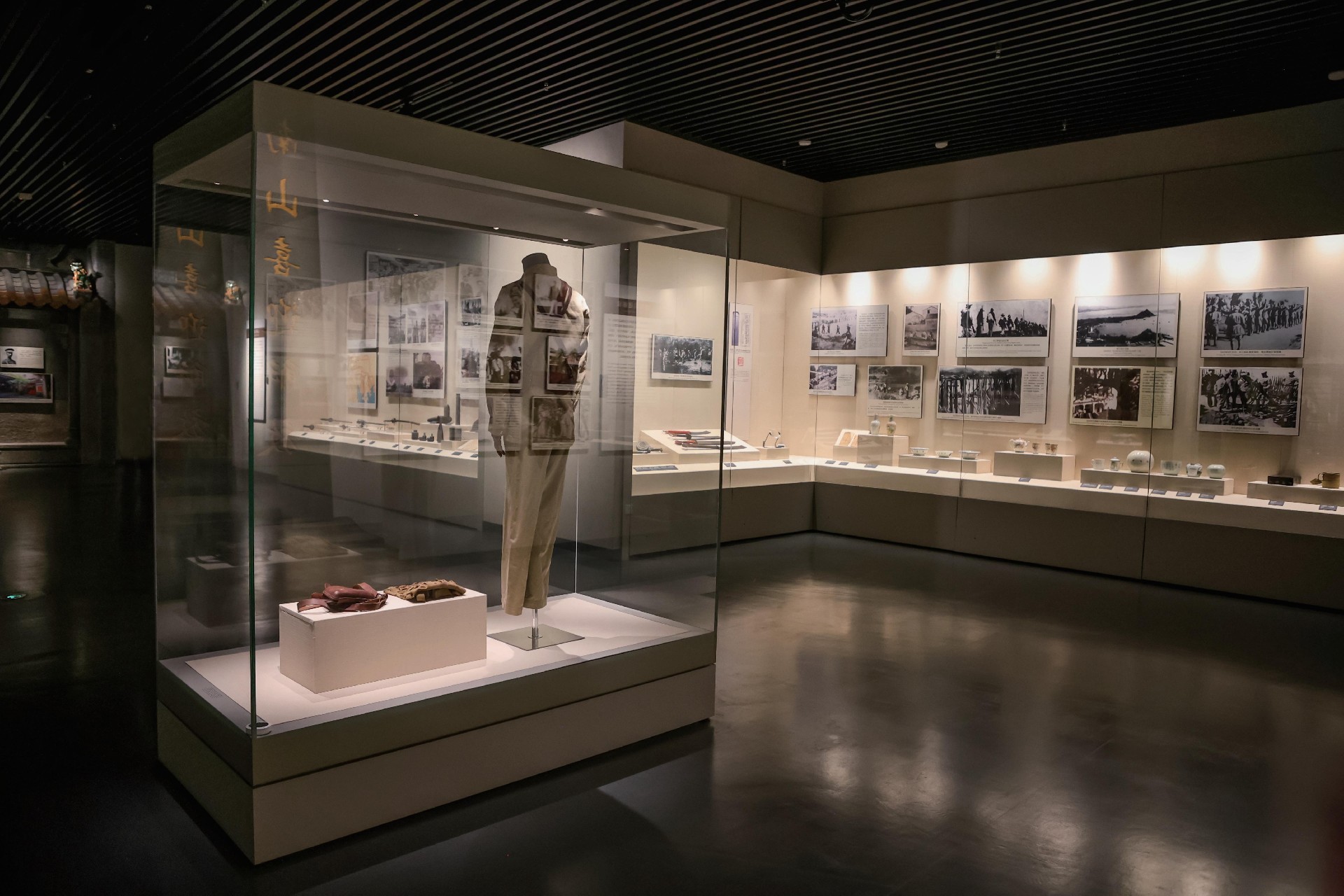
Climate Control and Microenvironment Stability
One of the most important strategies for protecting sensitive artifacts is maintaining a stable microclimate within the display case.
High-quality museum display cabinets are designed with sealed enclosures that minimize external air exchange. Combined with climate control technologies or passive buffering materials, these systems help maintain consistent humidity and temperature levels suitable for delicate objects.
This stability reduces stress on artifacts and supports long-term preservation throughout the duration of an exhibition.
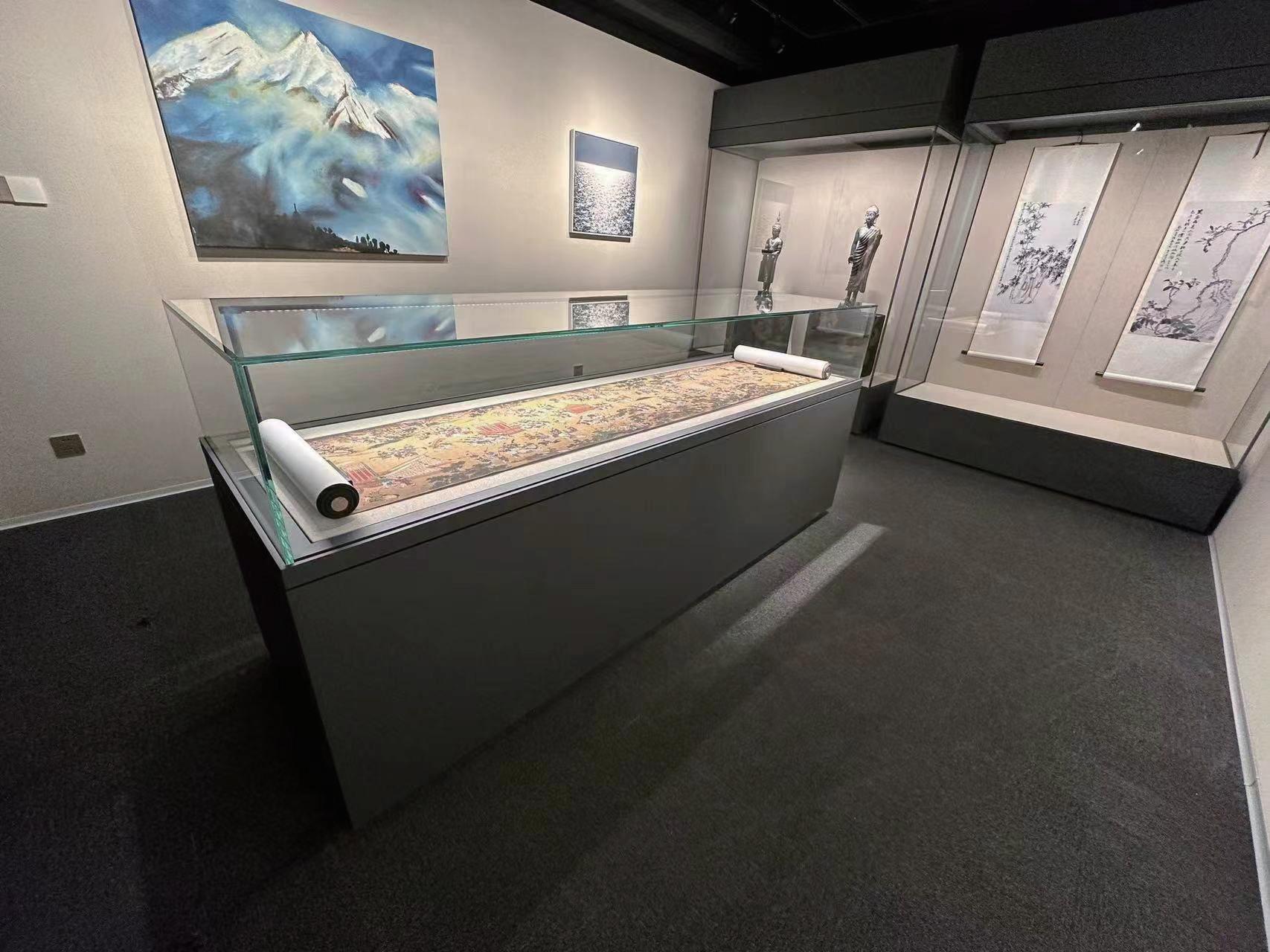
Managing Light Exposure
Light is another critical factor in artifact conservation. While illumination is essential for visitor engagement, excessive exposure can cause irreversible damage, especially to organic materials and pigments.
Modern exhibition display cases often integrate LED lighting systems with low ultraviolet emissions and adjustable intensity. Carefully positioned lighting allows curators to highlight objects while minimizing cumulative light exposure over time.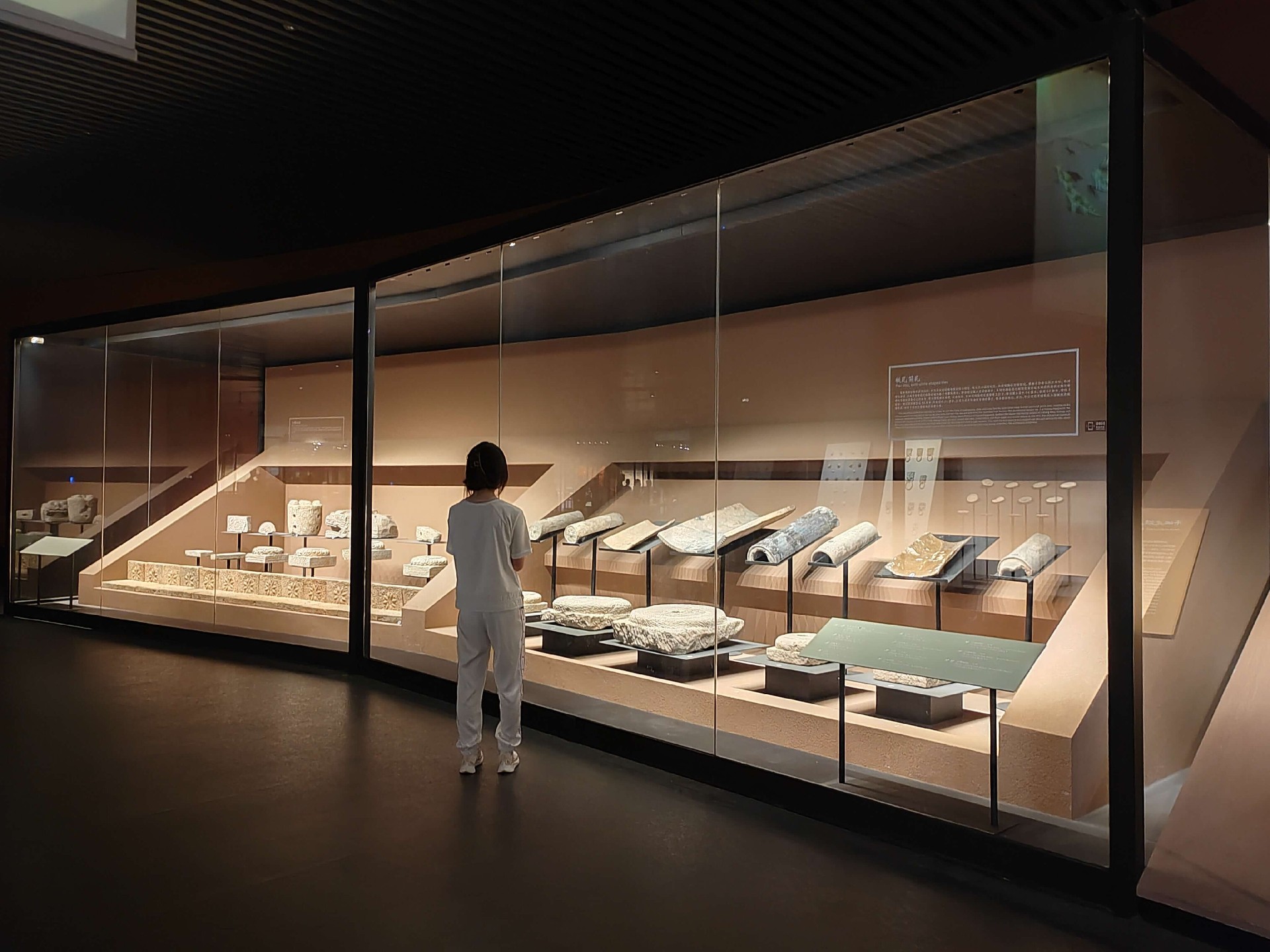
Secure Mounting and Object Support
Beyond environmental factors, physical support is equally important. Improper mounting or unstable display surfaces can create unnecessary stress on fragile artifacts.
Custom mounts, inert materials, and vibration-resistant structures ensure that objects remain safely supported throughout the exhibition. These measures are particularly important for delicate artifacts such as manuscripts, ceramics, or archaeological finds.
Monitoring and Preventive Maintenance
Long-term artifact protection requires continuous monitoring. Museums often integrate environmental sensors, data loggers, and inspection protocols to track conditions inside display cases.
Routine maintenance and monitoring help identify potential issues early, allowing conservators to respond before damage occurs. This proactive approach forms the foundation of effective preventive conservation strategies.
Collaboration Between Curators and Display Specialists
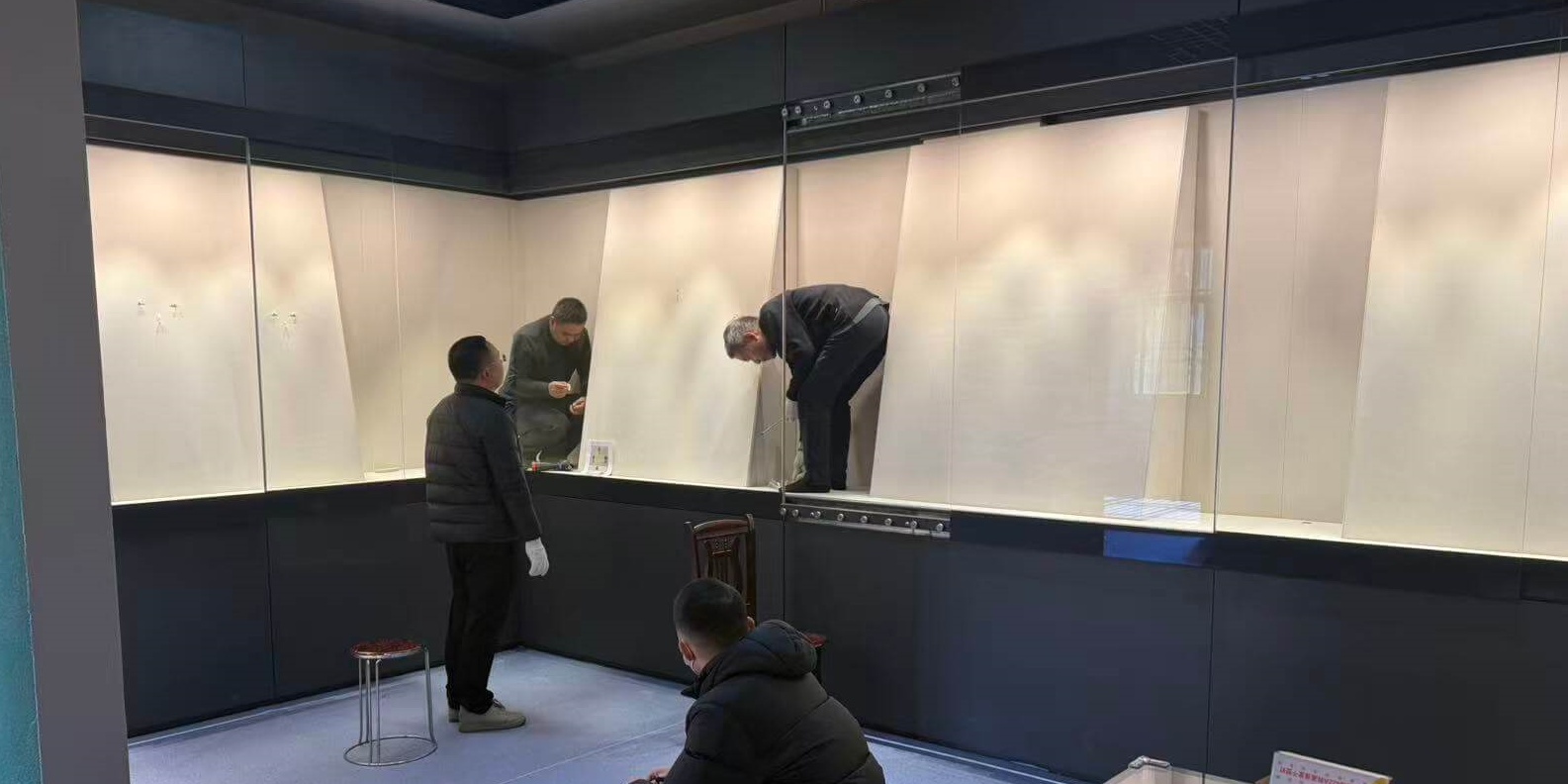
Successful exhibitions often result from close collaboration between curators, conservators, exhibition designers, and display case specialists.
Early planning ensures that display systems meet both conservation requirements and interpretive goals. By integrating environmental control, lighting design, and structural stability from the beginning, museums can create exhibition environments that are both engaging and safe for collections.
Preserving Heritage for Future Generations
Protecting sensitive artifacts is ultimately about safeguarding cultural memory. Carefully designed museum display cases allow institutions to share important objects with the public while ensuring their preservation for future generations.
Through thoughtful exhibition planning and responsible conservation practices, museums can continue to fulfill their mission of protecting and interpreting the world’s cultural heritage.
previous:China Museum and Related Products and Technologies Expo (hereinafter referred to as "Expo")
next:没有了!


