What Makes a Secure Exhibition Display Case?
In museums and cultural institutions, security is never an afterthought. A secure exhibition display case is not simply about locks and reinforced glass. It is a carefully engineered system designed to protect artifacts from physical risks, environmental threats, and unauthorized access, while maintaining optimal visibility for visitors.
As collections become more valuable and exhibitions more dynamic, understanding what defines a truly secure museum display case has become essential for curators and project managers alike.
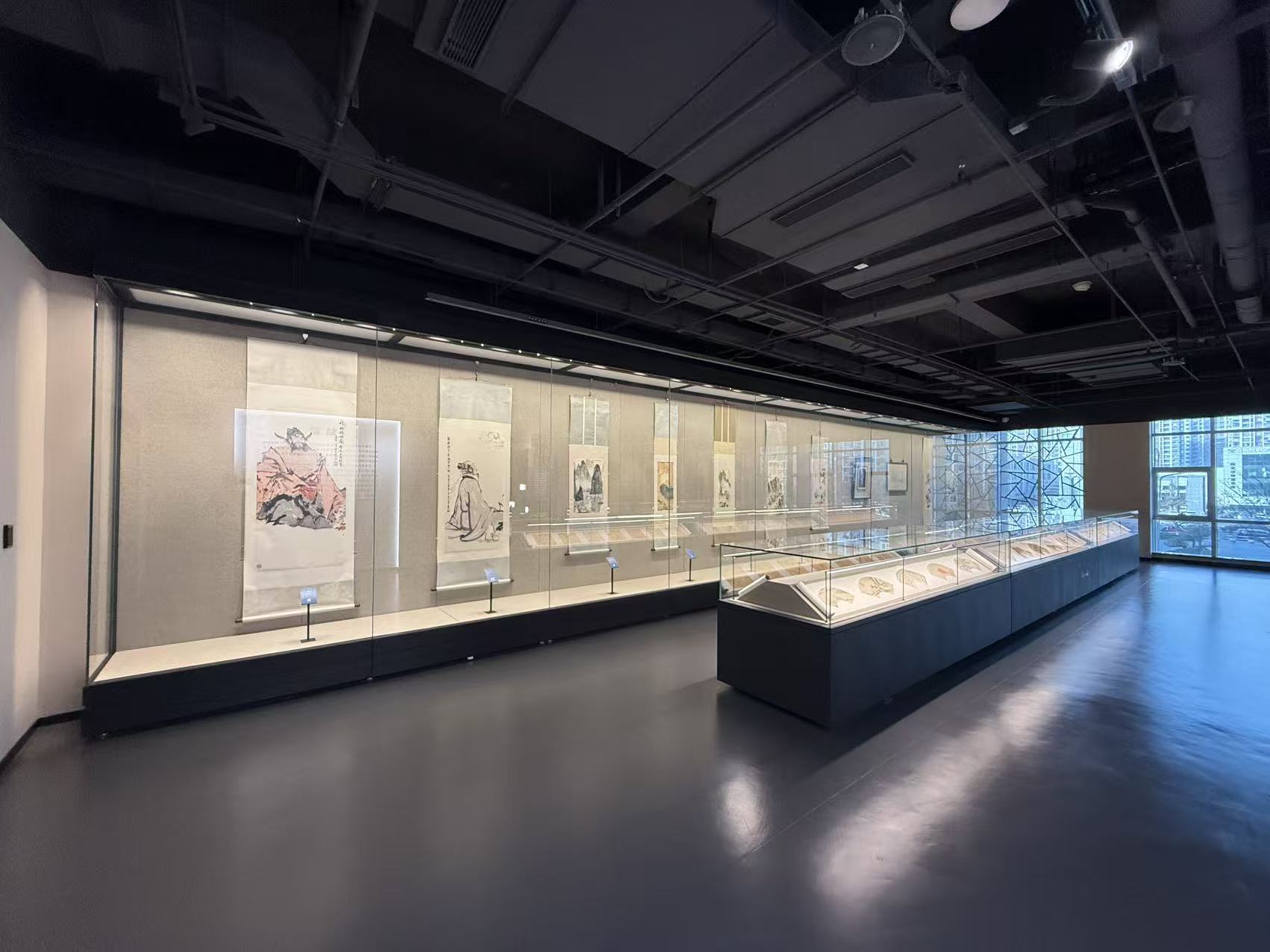
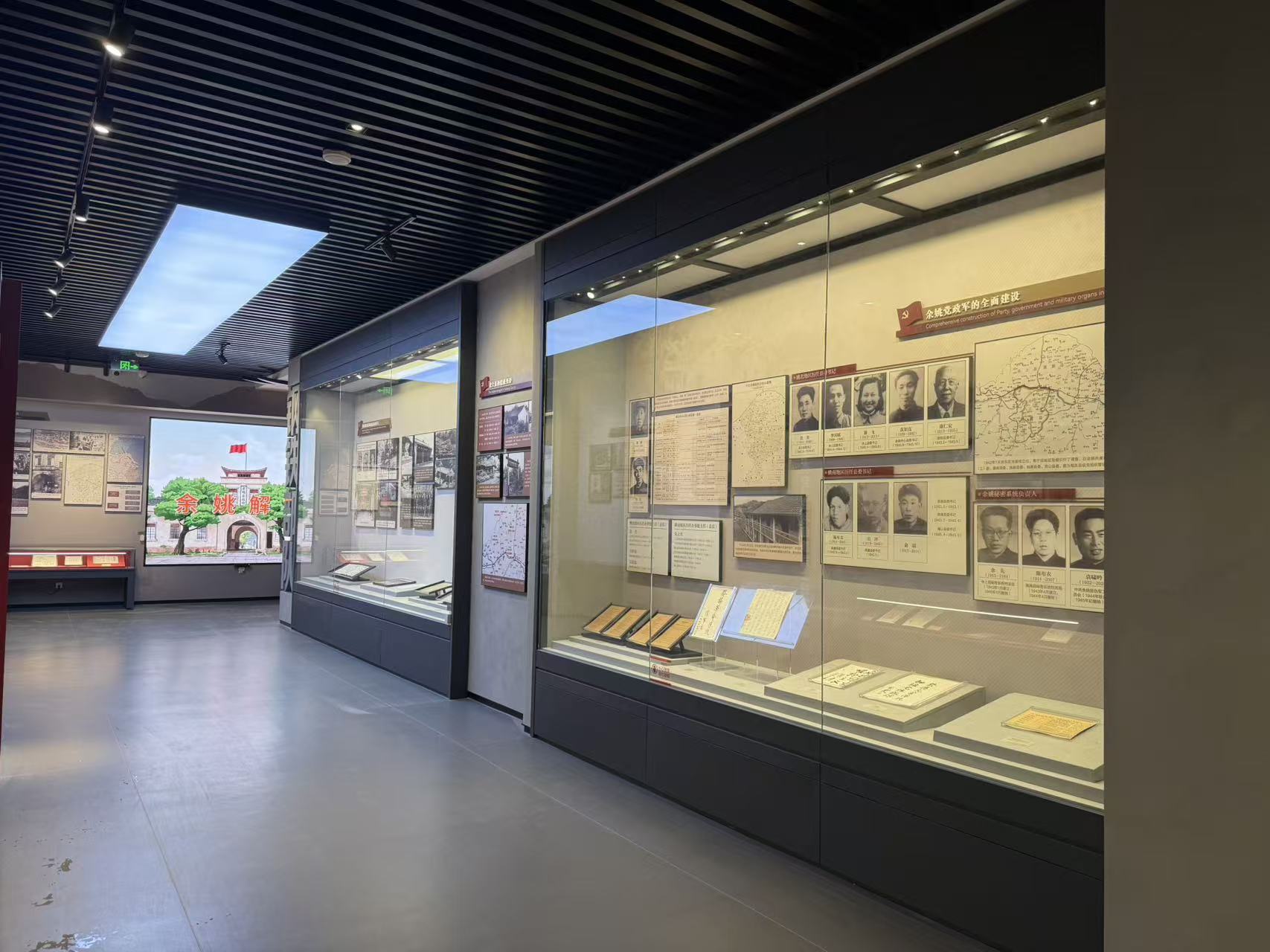
Structural Integrity and Material Selection
The foundation of a secure museum display case lies in its structural design. High-strength framing systems, laminated or tempered low-iron glass, and precision-engineered joints provide stability against impact and vibration.
The structural framework must resist deformation over time while supporting heavy glazing and integrated technical systems. Proper material selection ensures durability without compromising visual clarity, which is critical in exhibition environments.
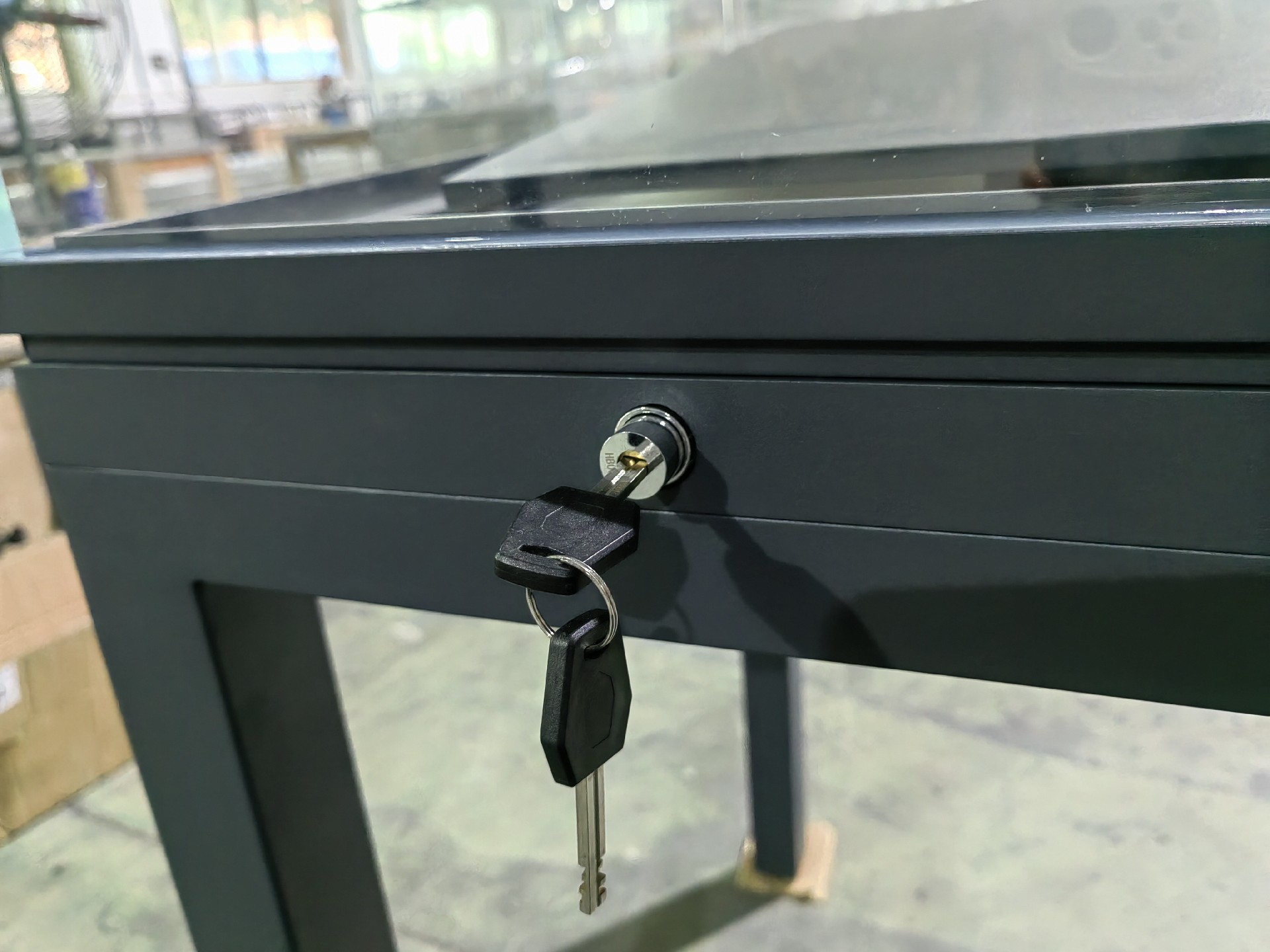
Advanced Locking and Access Systems
Security begins with controlled access. Modern secure exhibition display cases incorporate concealed locking mechanisms that prevent tampering while maintaining a clean aesthetic appearance.
Access systems are often designed to integrate with museum security protocols, including key management systems and, in some cases, electronic monitoring compatibility. The objective is to allow authorized access for conservators and curators while eliminating risk during public viewing hours.
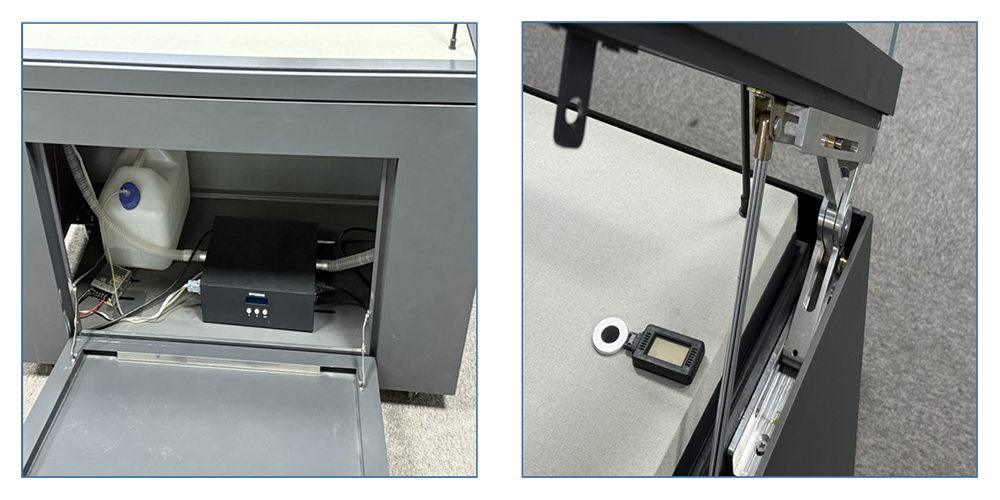
Environmental Protection and Microclimate Control
Security is not limited to physical protection. Environmental instability can cause irreversible damage to sensitive artifacts.
High-quality museum display cabinets integrate sealed enclosures, gasket systems, and microclimate control technologies that regulate temperature and humidity. By stabilizing internal conditions, display cases protect collections from gradual deterioration caused by external fluctuations.
Vibration Resistance and Structural Stability
In high-traffic exhibition spaces, vibration can pose a hidden threat. Display cases designed with reinforced bases, anti-vibration mounting systems, and stable support structures reduce movement that could affect fragile objects.
This is particularly important in traveling exhibitions or institutions located in urban environments where structural vibration may occur.
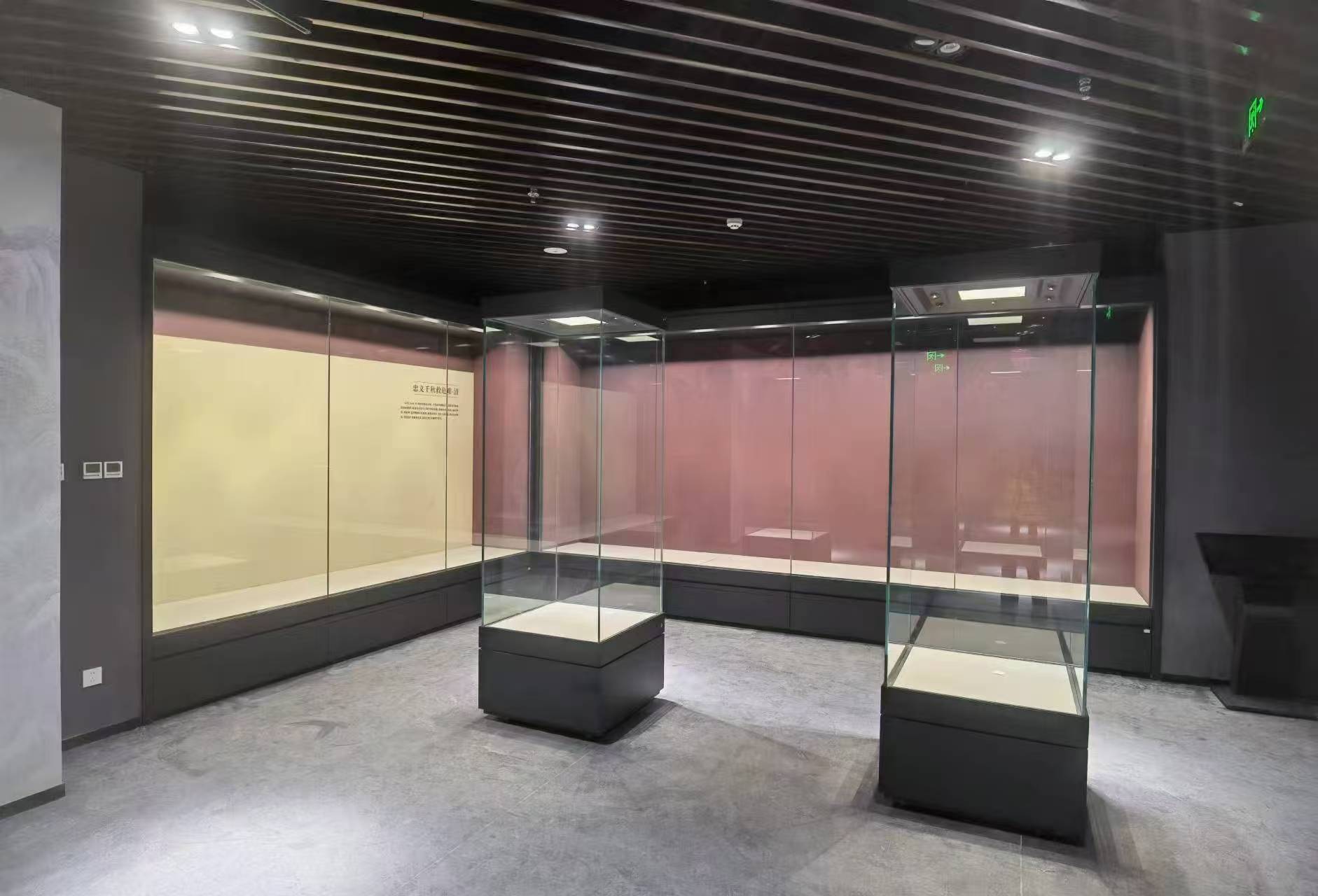
Lighting That Balances Visibility and Preservation
Secure exhibition design also considers light exposure. Integrated LED systems with controlled intensity and minimal ultraviolet output help reduce photochemical damage. Proper lighting ensures that artifacts remain protected while still being presented in a visually compelling way.
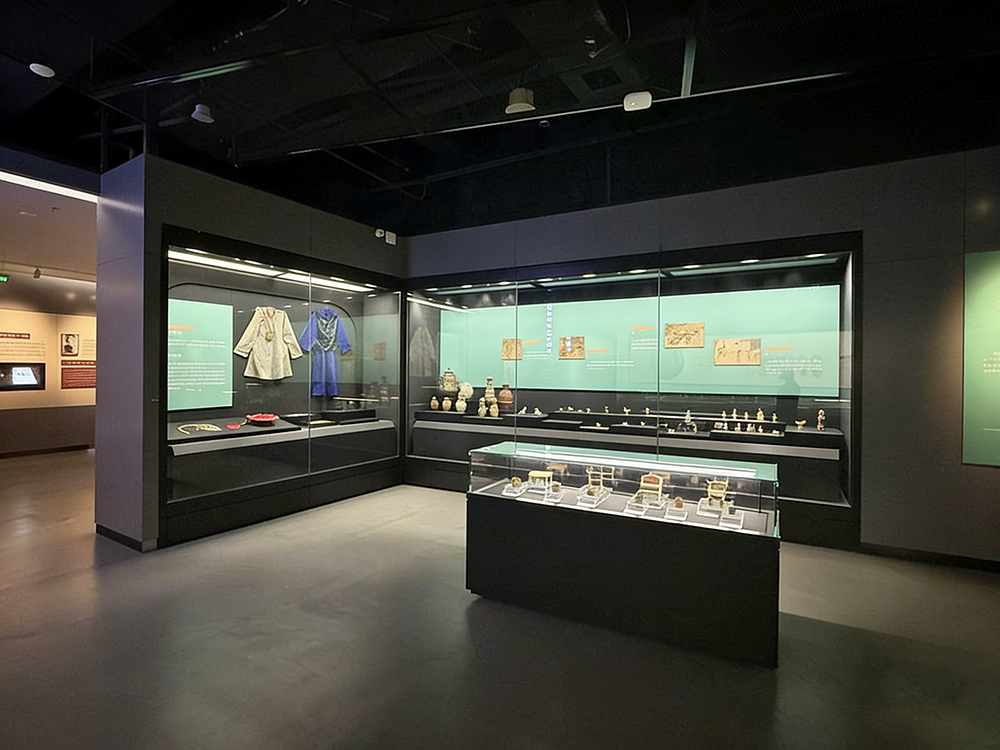
Maintenance Accessibility and Long-Term Reliability
True security includes long-term performance. A museum display case must allow safe and controlled maintenance access for conservation checks, cleaning, and monitoring equipment servicing.
Designs that prioritize serviceability without compromising enclosure integrity contribute significantly to overall security and operational efficiency.
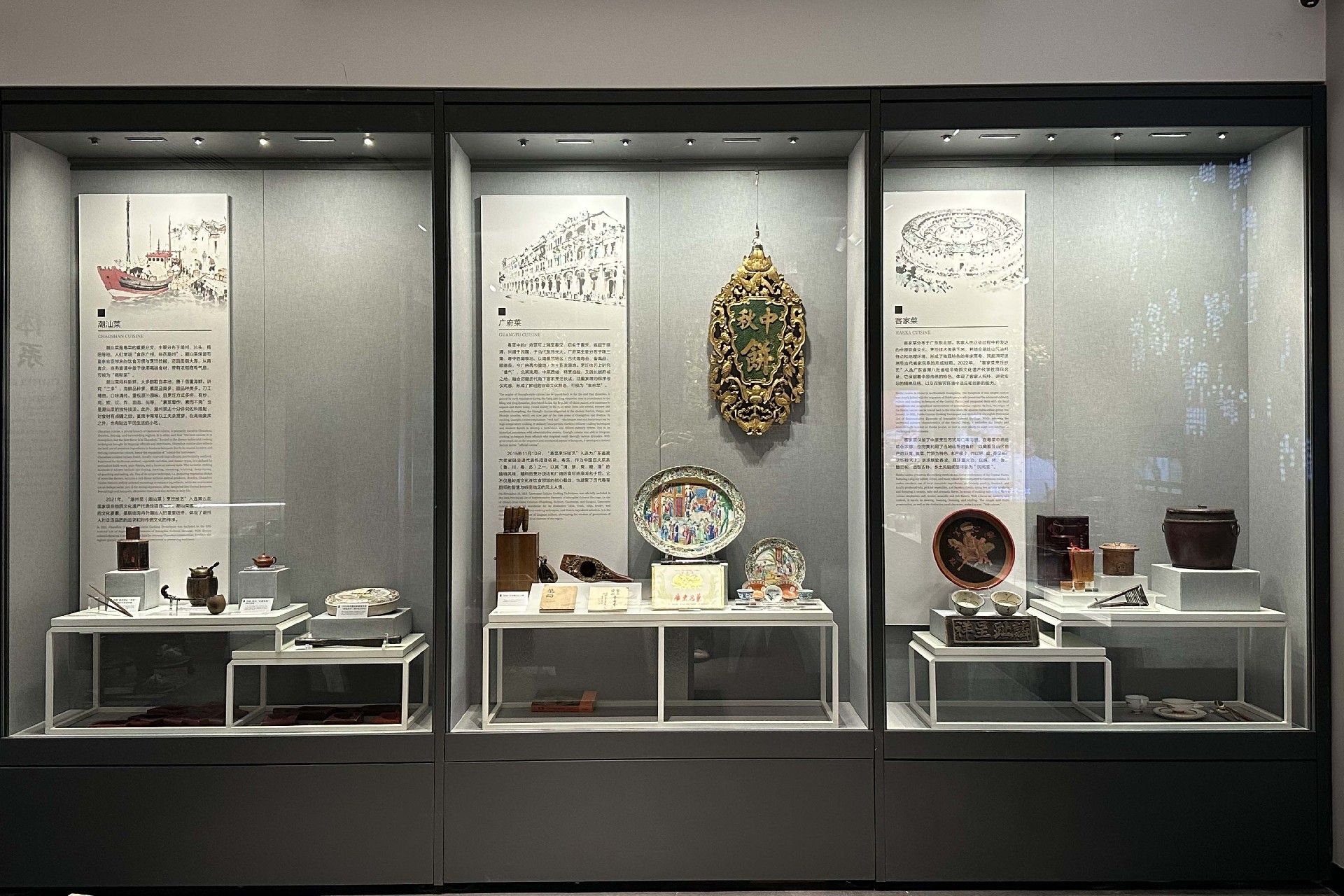
A Holistic Approach to Exhibition Security
Ultimately, a secure exhibition display case is the result of holistic design thinking. Structural strength, environmental control, lighting integration, and access management must function together as a unified system.
For museums planning new exhibitions or upgrades, early collaboration between curators, conservators, designers, and display case specialists is essential to achieving reliable protection and sustainable performance.
previous:The Principle of Wood Grain Transfer Printing Technology for Museum Display Cabinet
next:没有了!


