Museum Display Case Manufacturer | Design to Installation
Introduction
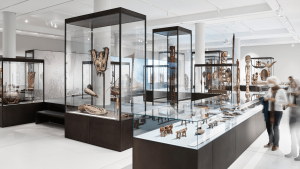
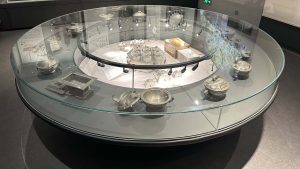
A professional museum display case manufacturer plays an important role in developing reliable exhibition solutions, from initial design and engineering to manufacturing, testing, and installation.
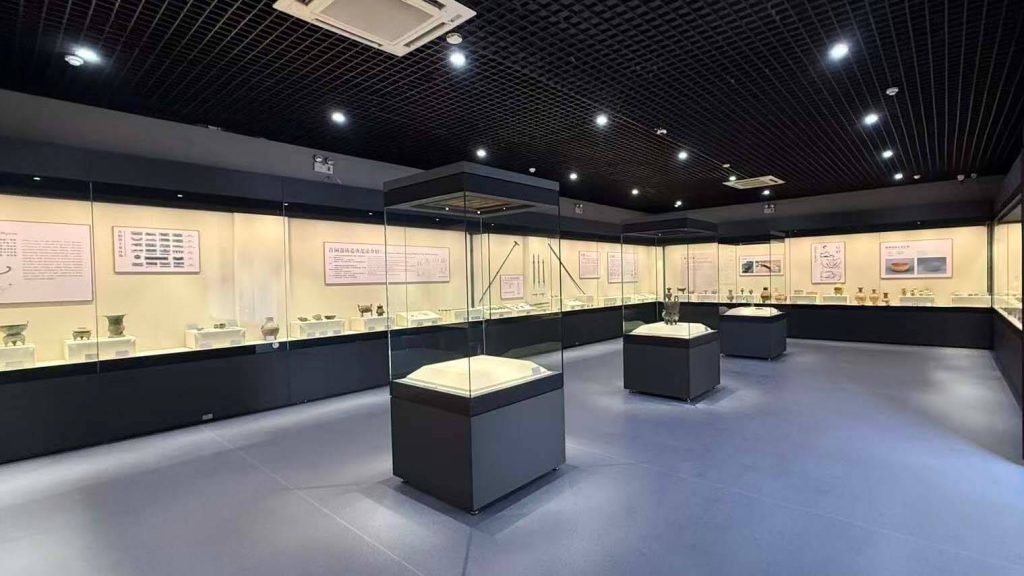
A museum display case is the result of much more than manufacturing a glass enclosure. From the initial concept and technical design to fabrication, assembly, testing, and installation, every stage can influence artifact protection, exhibition quality, and long-term performance.
For museums, galleries, memorial halls, and cultural institutions, understanding how museum display cases are manufactured can help project teams evaluate suppliers and make more informed decisions when planning a new exhibition.
1. Project Consultation and Requirement Analysis
The manufacturing process begins long before production starts.
Before selecting a solution, museums should understand how to choose the right museum display case based on artifact requirements, gallery conditions, security, and exhibition objectives. including artifact dimensions, conservation needs, gallery conditions, visitor circulation, security requirements, and exhibition objectives.
The project team may also review architectural drawings, exhibition concepts, artifact lists, and technical specifications to determine the most suitable display solution.
Early communication helps identify potential challenges before fabrication begins.
2. Museum Display Case Design and Engineering
Once the project requirements are established, designers and engineers develop the museum display case design.
The design process may include structural drawings, 3D models, material selection, glass specifications, lighting arrangements, access mechanisms, and environmental control systems.
For custom museum display cases, engineering is particularly important because the structure must balance visual appearance, stability, accessibility, and artifact protection.
The final design should integrate naturally with the exhibition environment rather than appearing as an independent piece of furniture.
3. Material Selection
Material selection is also an important part of evaluating museum display case specifications, including glass, framing materials, sealing systems, and interior components.
Depending on the project, materials may include low-iron glass, laminated safety glass, metal framing systems, specialized sealing materials, and conservation-safe interior components.
Glass selection is especially important because it affects transparency, reflection, security, and the visitor’s visual experience.
For sensitive collections, materials used inside the enclosed environment should also be carefully evaluated for long-term compatibility with artifacts.
4. Precision Fabrication and Manufacturing
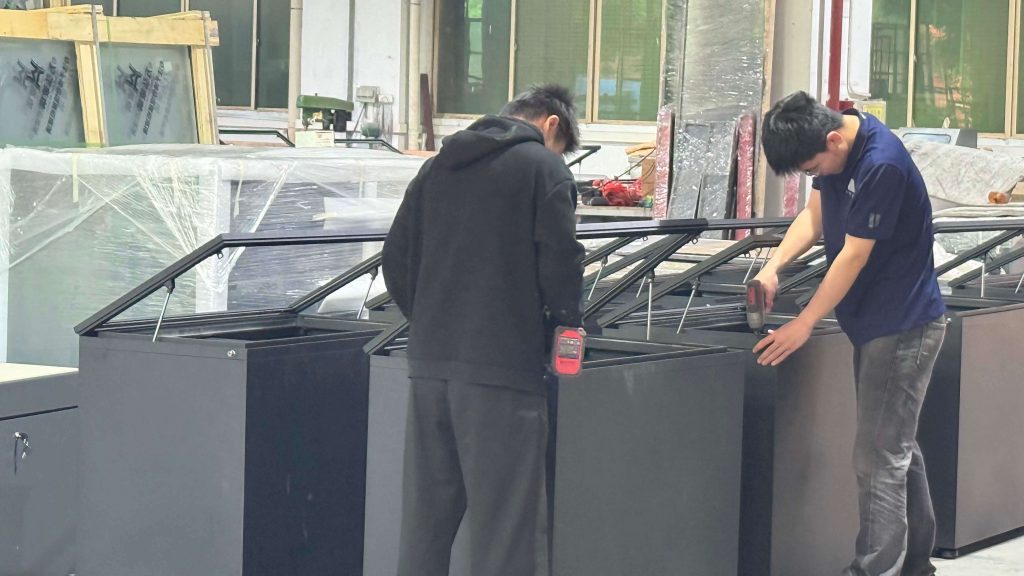
After the design has been approved, manufacturing begins.
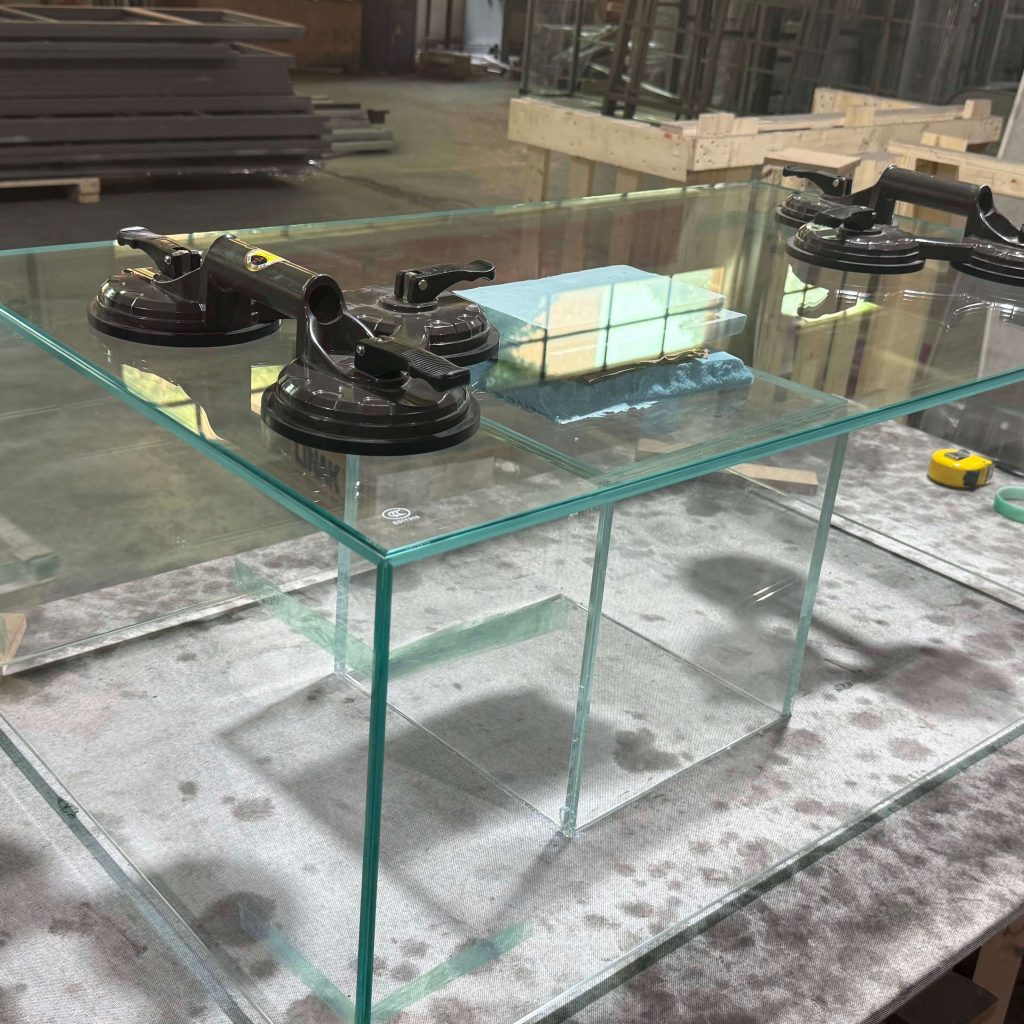
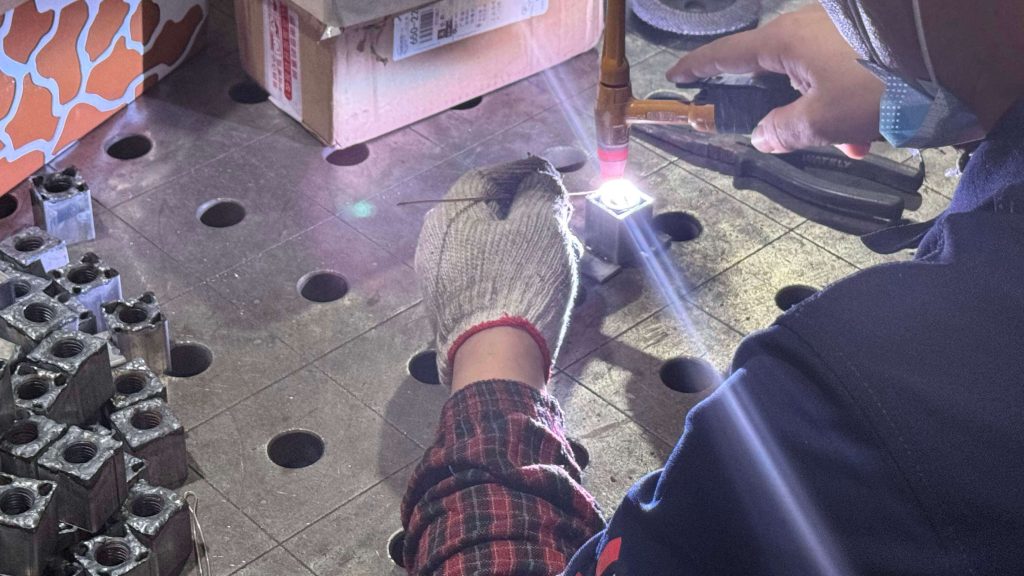
Modern museum display cases require accurate fabrication of structural components, glass panels, doors, bases, lighting systems, and internal mechanisms.
Precision manufacturing helps ensure that different components fit together correctly and that the finished enclosure maintains the required structural and sealing performance.
For complex or large-scale projects, individual components may be produced and tested separately before final assembly.
5. Integration of Security and Conservation Systems
A museum display case often combines multiple technical systems within a compact structure.
Depending on project requirements, these may include:
- High-security locking systems
- Environmental monitoring sensors
- Humidity control systems
- LED lighting
- Vibration detection
- Door sensors
- Alarm interfaces
- Access control systems
Integrating these systems during manufacturing helps maintain a clean appearance while ensuring that essential functions remain accessible for authorized museum staff.
6. Assembly and Quality Inspection
Before shipment, the display case is assembled and inspected to verify that its components operate as intended.
Quality checks may cover structural stability, door operation, locking mechanisms, glass alignment, lighting performance, sealing, and integrated technical systems.
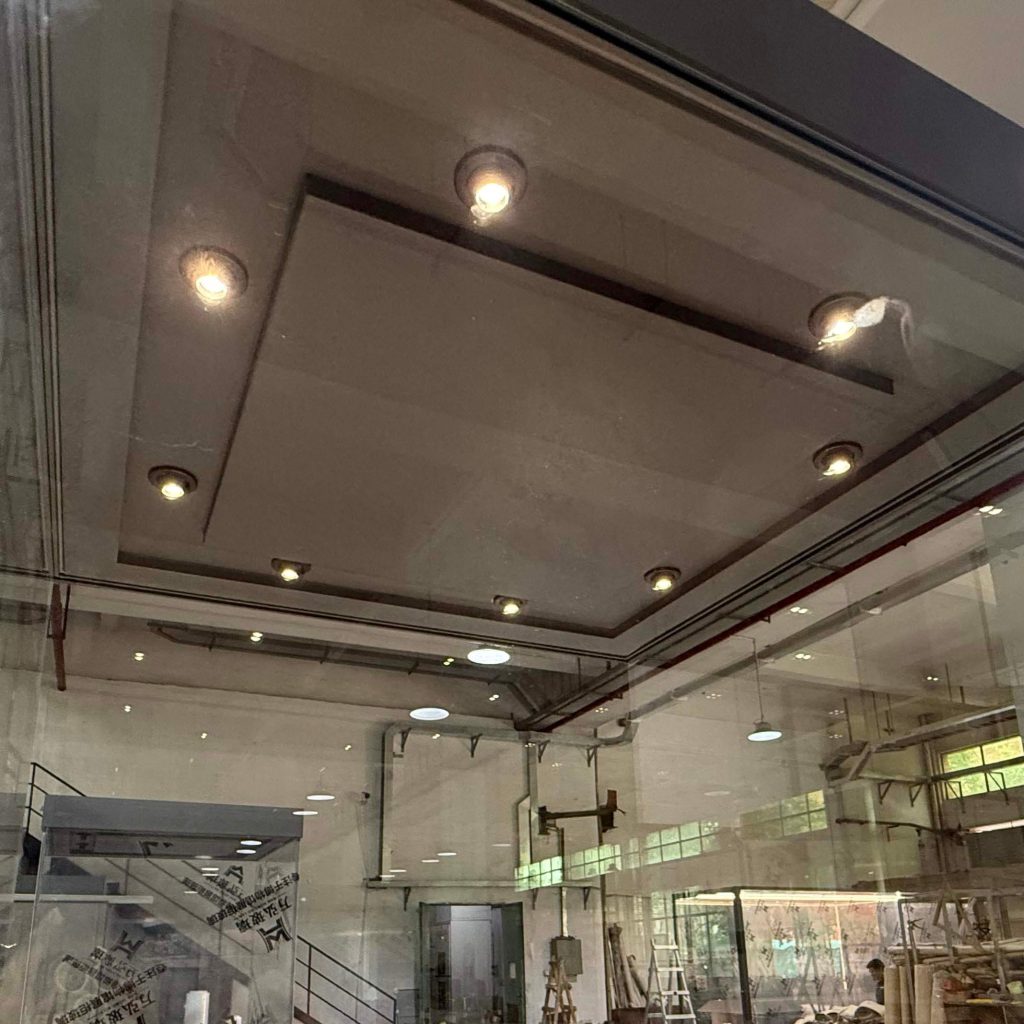
For customized projects, factory assembly also provides an opportunity to identify and resolve potential installation issues before the display case reaches the museum site.
7. Transportation and Site Installation
Museum display cases are often large, delicate, and technically complex. Transportation therefore requires careful planning.
Packaging, handling, logistics, and site access should be considered before shipment.
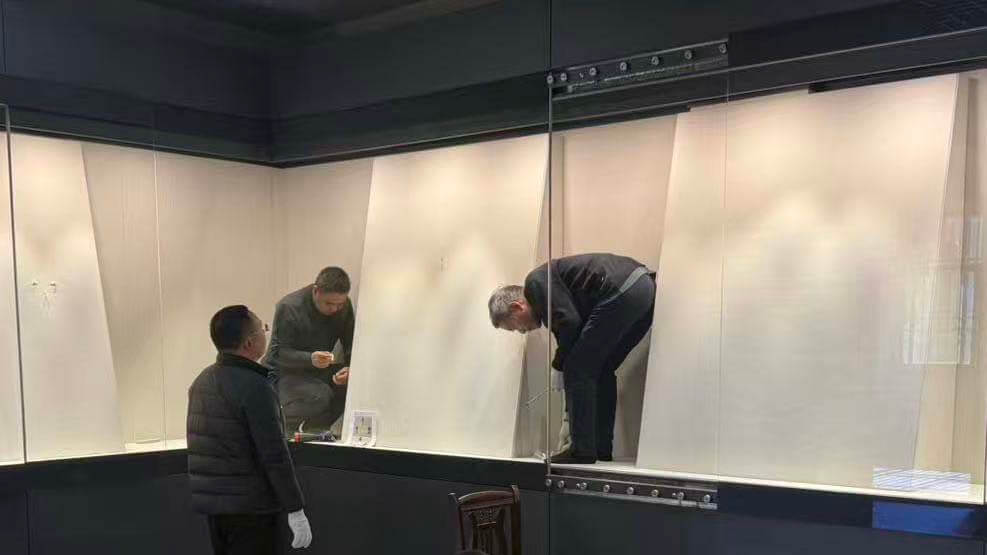
At the museum, professional installation teams assemble and position the display cases according to the approved exhibition layout.
Installation may also include lighting adjustment, system commissioning, environmental monitoring setup, and final alignment with surrounding exhibition elements.
8. Final Testing and Project Handover
After installation, the display case should undergo final testing before the exhibition opens.
The project team verifies that security systems, lighting, environmental controls, access mechanisms, and other integrated functions operate correctly.
A professional handover process can also provide museum staff with information about operation, maintenance, and future servicing.
Why the Manufacturing Process Matters
The quality of a museum display case depends on every stage of the project, not simply the final appearance.
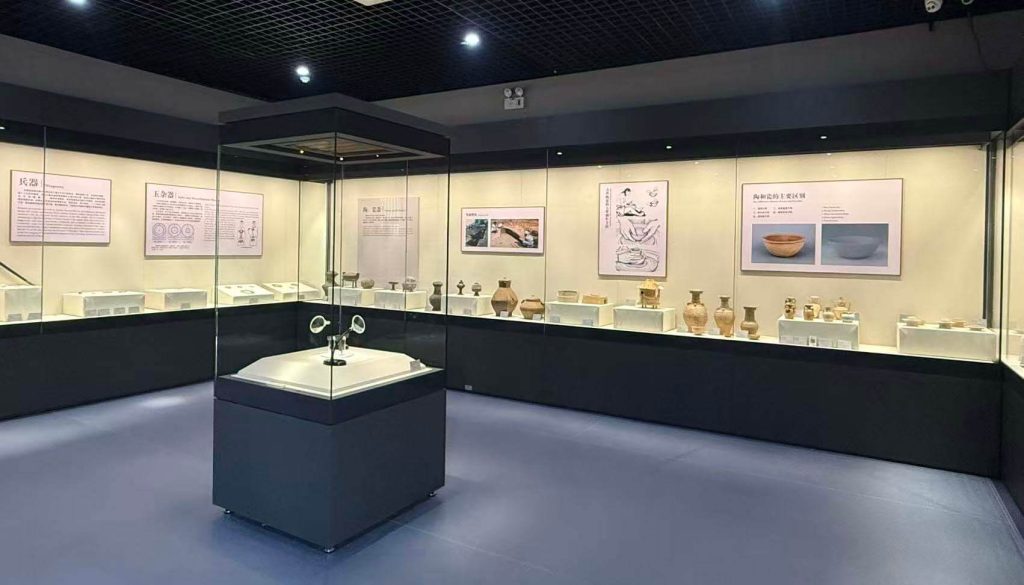
A well-designed and carefully manufactured display case can provide reliable artifact protection, consistent exhibition performance, and long-term operational value.
For museums selecting a supplier, evaluating design capability, manufacturing experience, quality control, customization ability, and installation support can be just as important as comparing the appearance or initial price of different products.
Conclusion
Starting with the first project consultation to final installation, museum display case manufacturing is a multidisciplinary process that combines exhibition design, engineering, conservation, manufacturing, and installation.
Working with an experienced museum display case manufacturer allows museums and cultural institutions to develop solutions that are designed around their specific artifacts, spaces, and exhibition objectives.
A successful display case is not simply manufactured. It is carefully designed, engineered, tested, and installed to protect cultural heritage while presenting it to the public.