Introduction
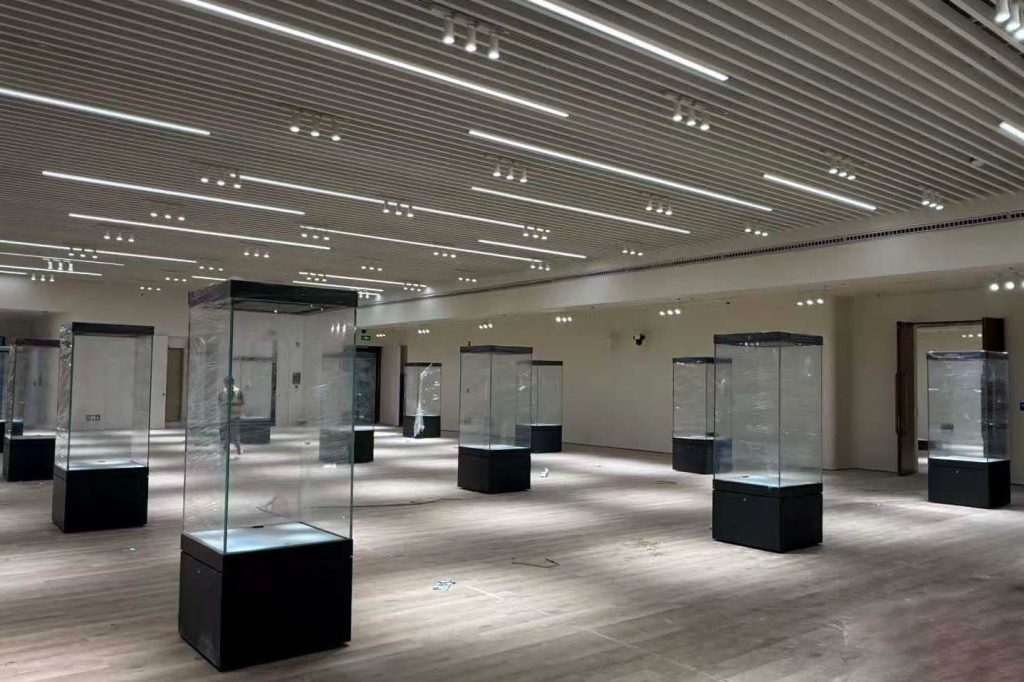
Glass is one of the most important components of a museum display case. It affects not only how clearly visitors can see an artifact, but also the security, lighting performance, and overall conservation environment of the exhibition.
For museums, galleries, and cultural institutions, selecting the right museum display case glass requires a balance between optical clarity, safety, security, light control, and conservation requirements.
Understanding the differences between common glass options can help exhibition teams make better decisions during the design and procurement process.
Why Glass Matters in Museum Display Cases
The glass enclosure is the primary visual interface between visitors and artifacts.
Poor optical quality can create reflections, distort colors, or reduce visibility, particularly when strong gallery lighting is used. At the same time, the glass must provide sufficient structural strength and security for the type of exhibition.
For this reason, museum display case glass should be considered as part of the overall display system rather than simply a transparent barrier.
Low-Iron Glass for Improved Clarity
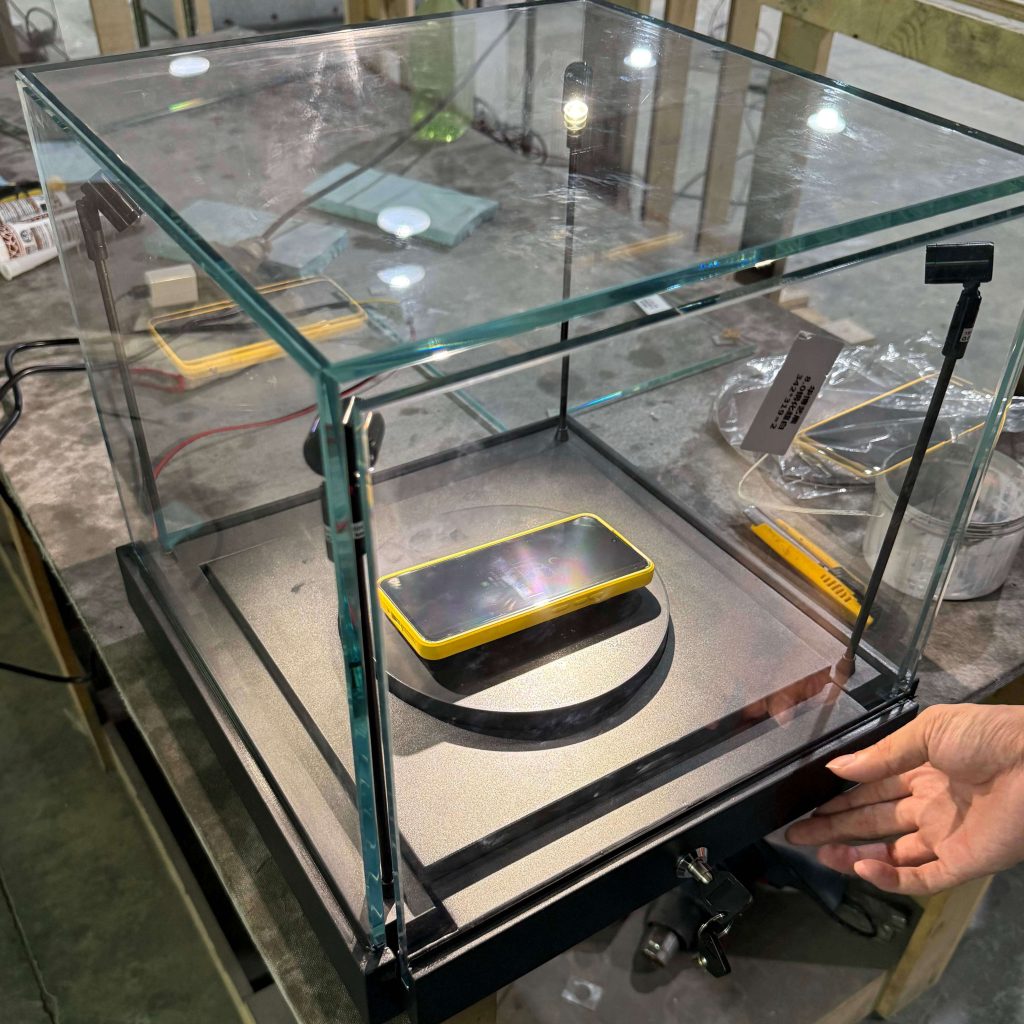
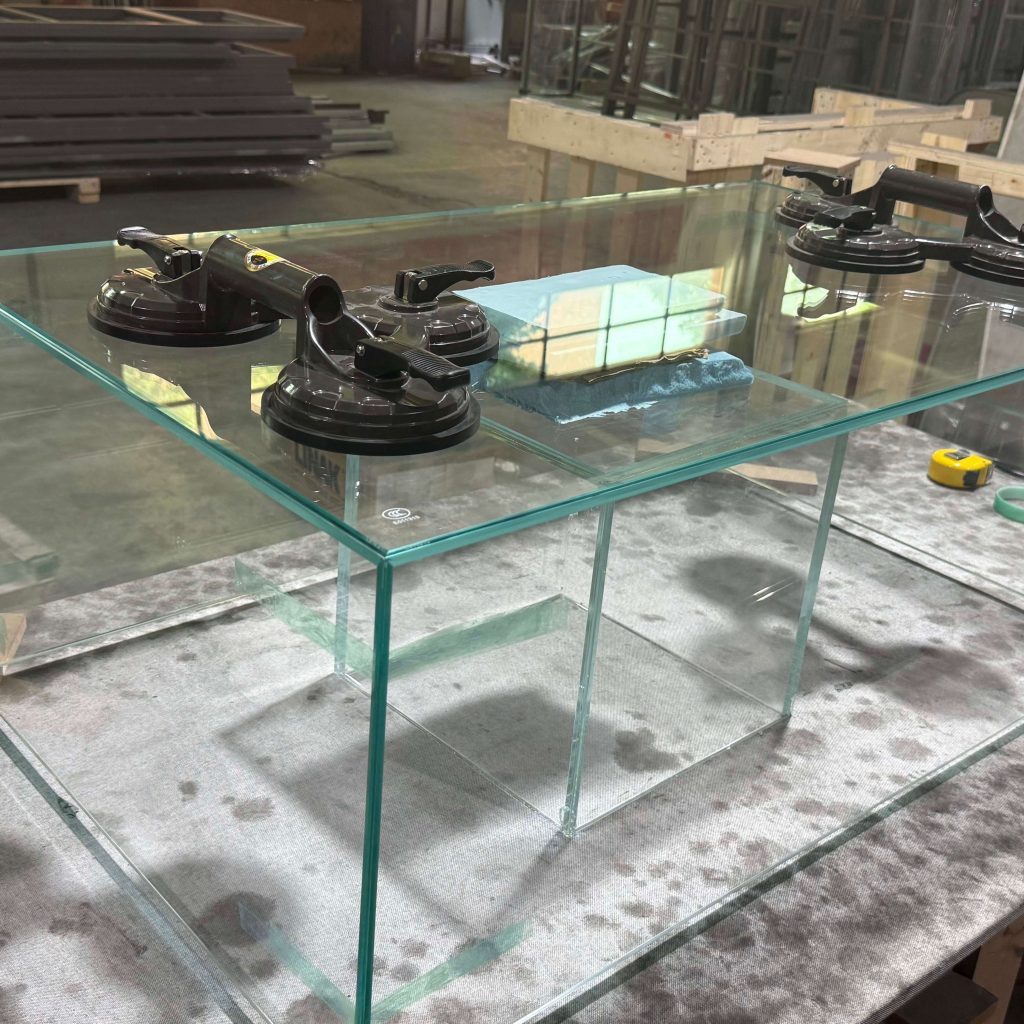
Low-iron glass is widely considered when high optical clarity is a priority.
Compared with conventional glass, low-iron glass contains reduced levels of iron compounds, resulting in less green coloration and greater transparency.
This can be particularly valuable when displaying:
- Fine art
- Ceramics
- Jewelry
- Archaeological artifacts
- Transparent or light-colored objects
For exhibitions where accurate color perception is important, low-iron glass can provide a cleaner visual experience.
Anti-Reflective Glass for Better Visibility
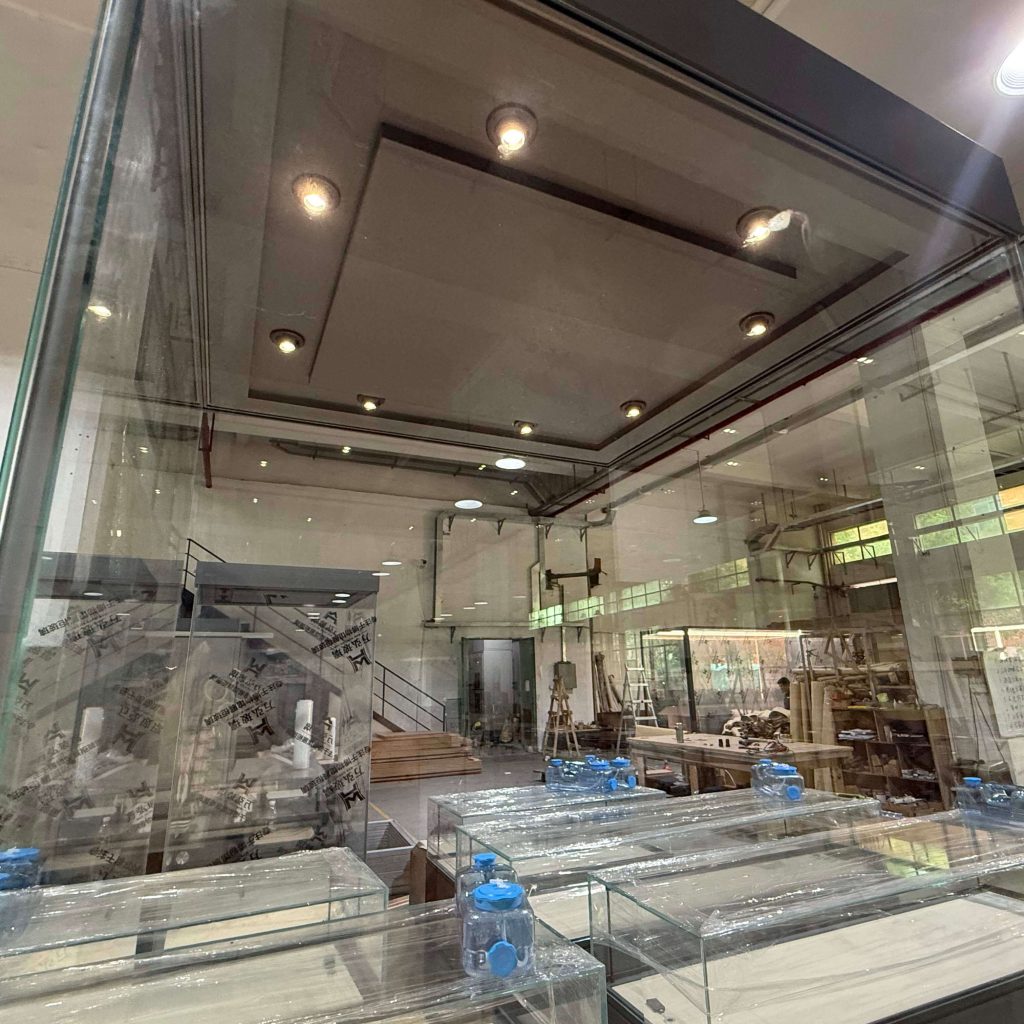
Reflections can become a significant problem in museum exhibitions, especially when display cases are positioned near windows or illuminated by multiple light sources.
Anti-reflective glass is designed to reduce surface reflections and improve the visibility of objects behind the enclosure.
It can be particularly useful for:
- Paintings and artworks
- Manuscripts
- Historical documents
- Small objects requiring close observation
By reducing distracting reflections, anti-reflective glass allows visitors to focus more directly on the artifact.
Laminated Safety Glass for Enhanced Protection
Safety is another important consideration when selecting glass for museum display cases.
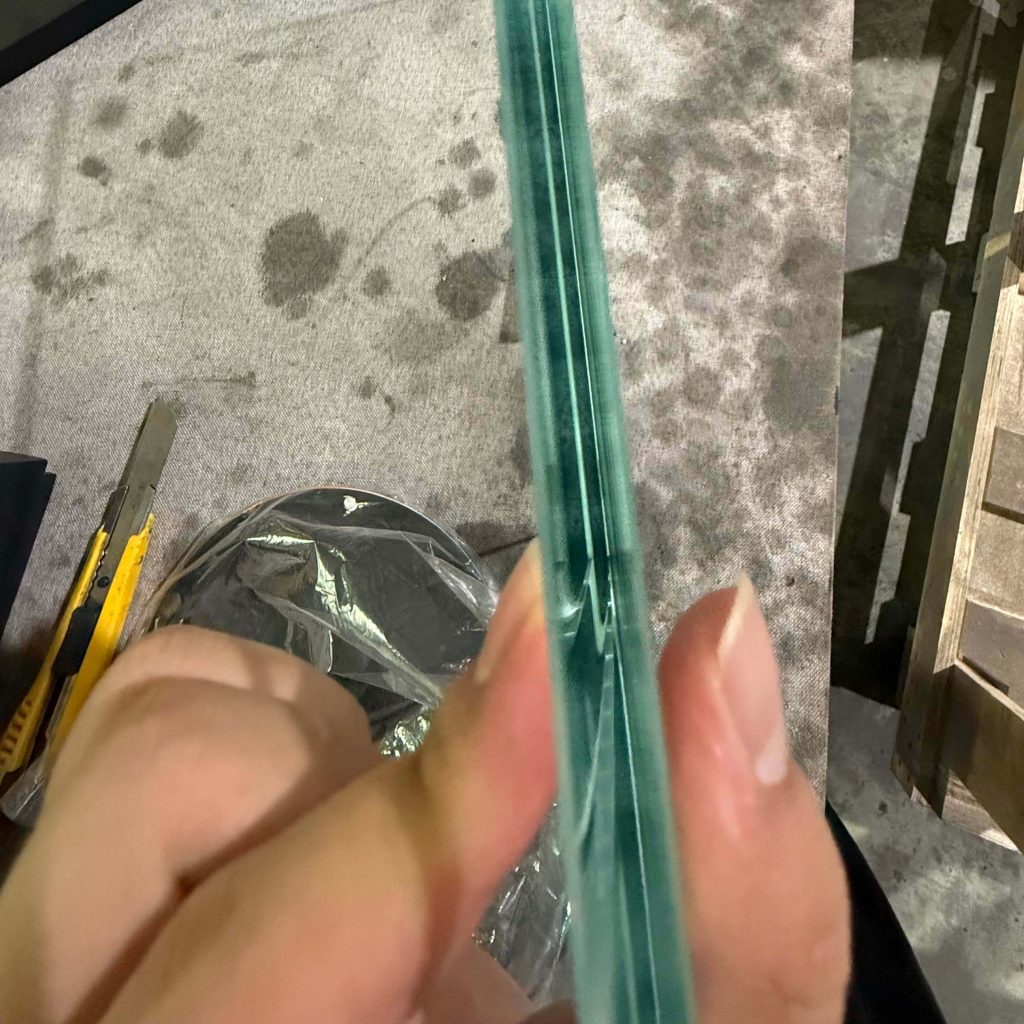
Laminated glass consists of multiple glass layers bonded with an interlayer. If the glass is damaged, the interlayer helps hold the fragments together and can provide an additional barrier against penetration.
Depending on the project requirements, laminated glass can contribute to the physical security of valuable collections.
The appropriate glass construction should be determined according to artifact value, exhibition environment, security requirements, and applicable project standards.
UV Protection and Light Management
Light exposure is an important conservation consideration for many museum collections.
Certain glass products can incorporate UV-filtering properties to reduce ultraviolet radiation reaching sensitive artifacts.
However, glass is only one part of a comprehensive lighting strategy. Museums should also consider light source, intensity, exposure duration, and the sensitivity of individual materials.
A professional museum display case should therefore integrate glass selection with the broader conservation strategy.
Choosing Glass Thickness
Glass thickness depends on factors such as panel dimensions, structural requirements, installation conditions, and security objectives.
Larger display cases may require thicker or specially engineered glazing to maintain structural stability.
Rather than selecting glass based only on thickness, project teams should evaluate the complete glazing system, including framing, support structures, fixing methods, and safety requirements.
Balancing Visibility and Security
The best glass solution is not necessarily the thickest or most technically advanced option.
Museum display case design should balance visual clarity with structural performance and security.
For example, a highly transparent display case may be ideal for a centerpiece artifact, while a collection requiring enhanced physical protection may require a more robust laminated glazing system.
The final choice should reflect the specific requirements of the exhibition.
How to Select the Right Museum Display Case Glass
Before specifying glass, museums and exhibition designers should consider several questions:
- What type of artifact will be displayed?
- How sensitive is the object to light exposure?
- Is color accuracy important?
- Will visitors view the artifact at multiple directions?
- Is anti-reflective performance required?
- What level of physical security is necessary?
- What are the dimensions of the display case?
- Are there specific conservation or project standards to meet?
These factors should also be considered alongside the overall museum display case specifications before production begins.Answering these questions early can help prevent costly changes during manufacturing or installation.
Glass Should Be Considered as Part of the Complete System
Choosing glass in isolation is rarely the best approach.
Glass works together with the frame, seals, lighting, locks, environmental controls, and structural components as part of the overall museum display case design.
For complex exhibitions, early cooperation between curators, conservators, exhibition designers, architects, and the display case manufacturer can ensure that the glazing specification supports both the exhibition concept and artifact protection requirements.
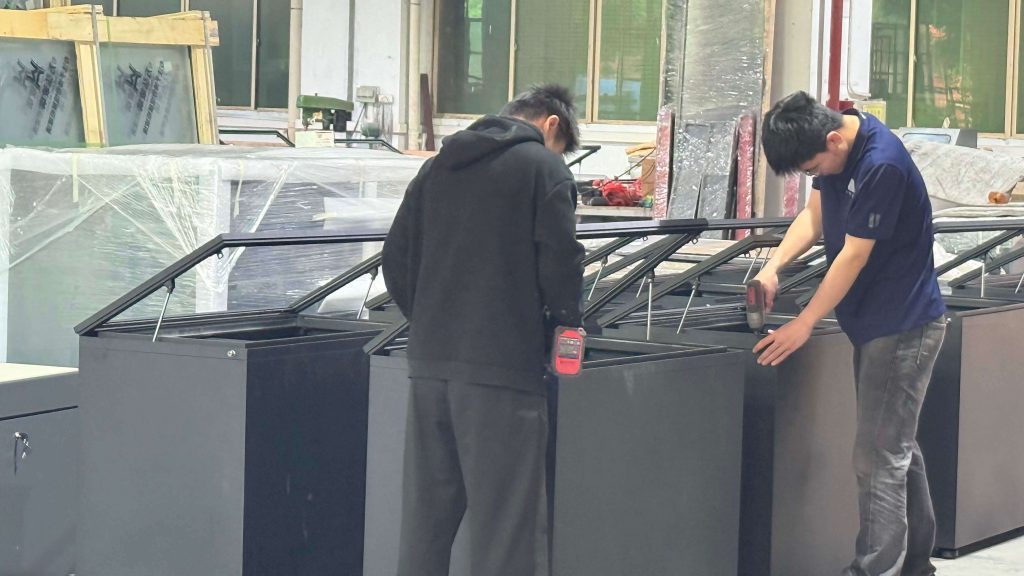
Understanding the museum display case manufacturing process can also help project teams determine how different glazing options can be integrated into the final structure.
Conclusion
The right museum display case glass can significantly improve visibility, security, and conservation performance.
Low-iron glass can provide greater optical clarity, anti-reflective glass can reduce distracting reflections, while laminated and UV-filtering solutions can provide additional protection depending on project requirements.
By considering glass together with the complete display case system, museums can create exhibition environments that present cultural heritage clearly while supporting its long-term preservation.By evaluating artifact requirements, exhibition conditions, and technical specifications, museums can make better decisions about how to choose the right museum display case.