
Museum Display Case Cost Guide: What Influences Pricing?

Introduction

Museum display cases are long-term investments that directly affect artifact protection, exhibition quality, and visitor experience. However, pricing can vary significantly depending on design complexity, conservation requirements, materials, and technical systems.

For museums, galleries, and exhibition planners, understanding the factors that influence museum display case cost can help improve project planning and budgeting decisions.

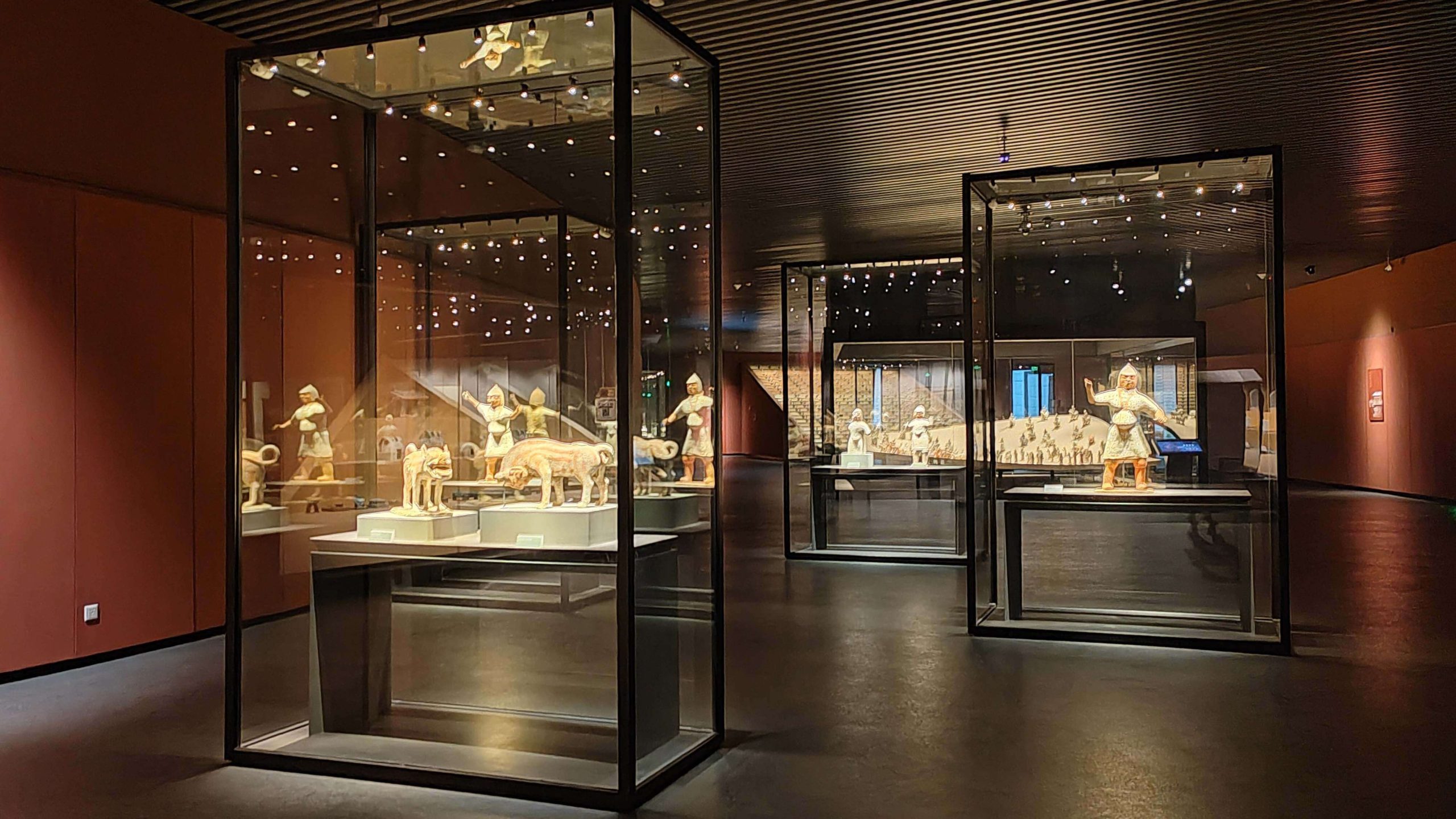
museum quality display cases

Display Case Type and Structure

One of the primary factors affecting pricing is the type of museum display case being used.

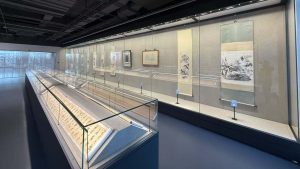
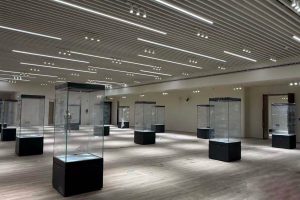
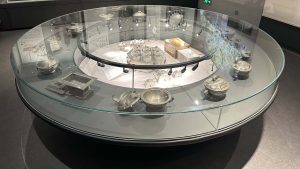
Freestanding museum display cases generally require stronger structural support, larger glass panels, and more complex engineering compared to wall mounted systems.

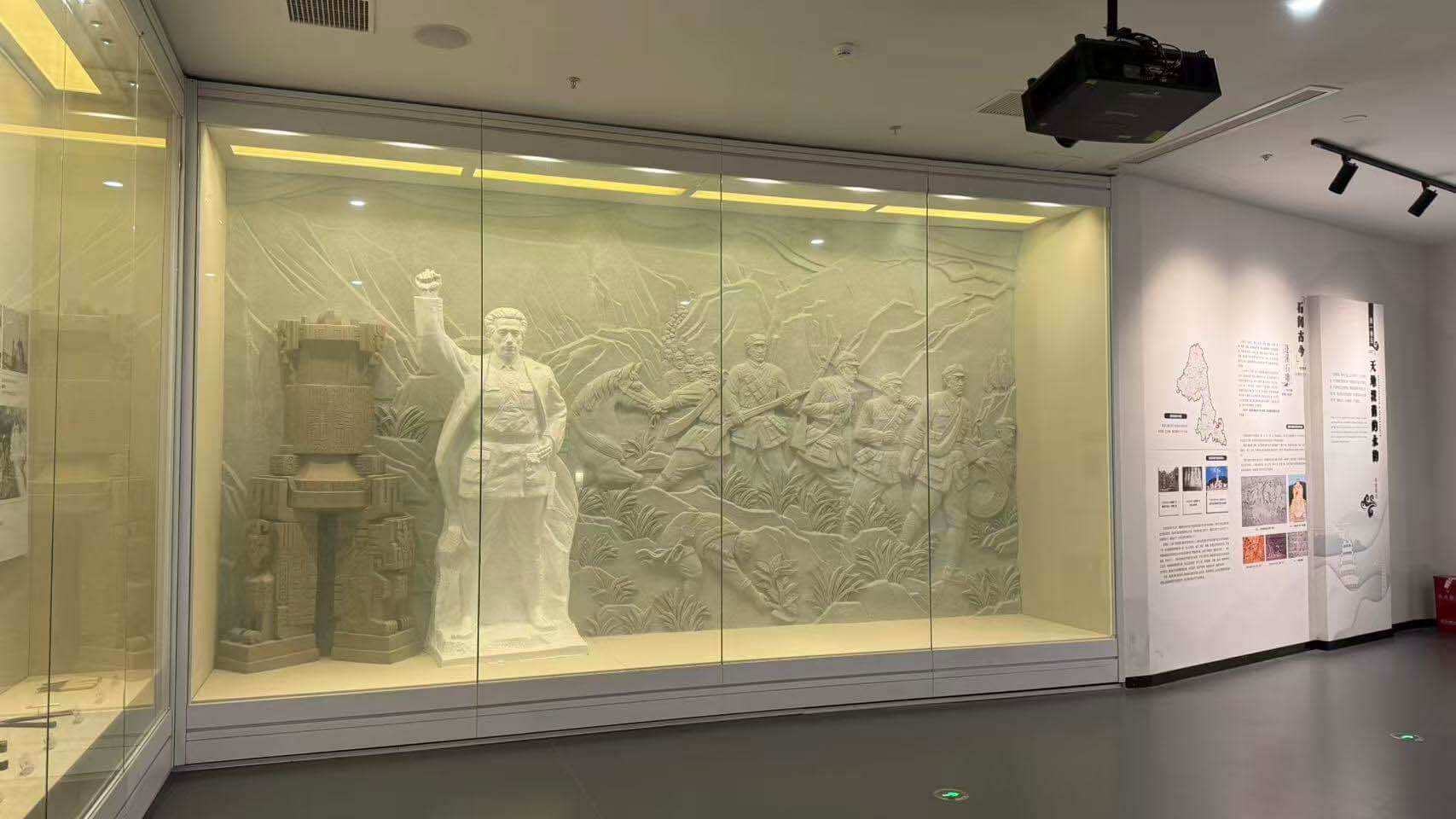
Custom-shaped or oversized display cases also increase manufacturing complexity and installation requirements.

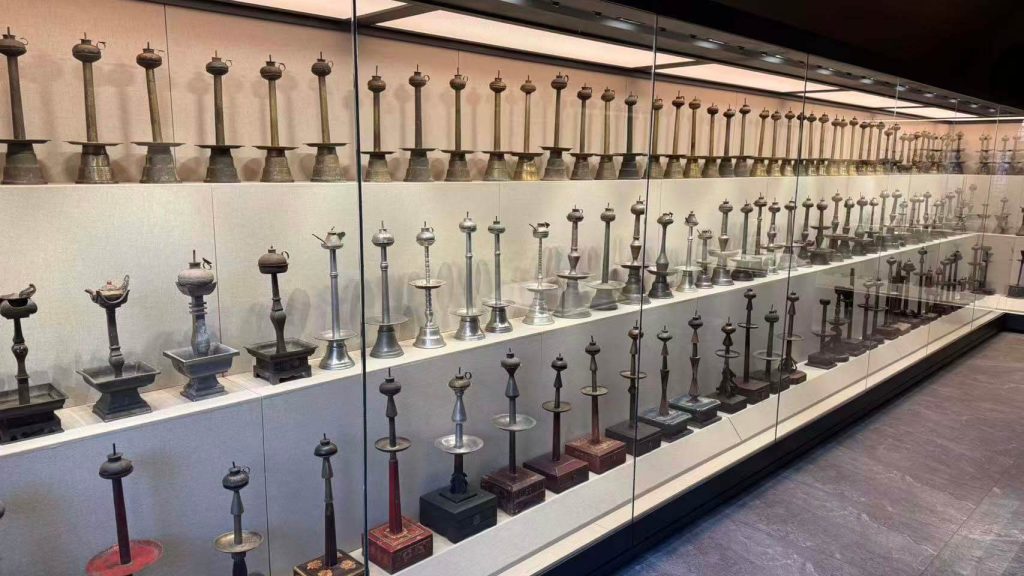
antique museum display case

Glass Quality and Material Selection

Glass specification plays a major role in museum display case pricing.

Low-iron glass, laminated safety glass, and anti-reflective museum glass provide better visibility and protection, but also come at a higher cost compared to standard glazing materials.

Material selection for framing systems, bases, and internal supports also impacts durability, aesthetics, and long-term maintenance.

Climate Control and Conservation Systems

For sensitive collections, climate control systems are often essential.

Museum display cabinets designed for artifact preservation may include humidity buffering systems, sealed enclosures, sensors, and active climate regulation technologies.

These conservation-focused systems significantly improve protection performance but also increase manufacturing and operational costs.

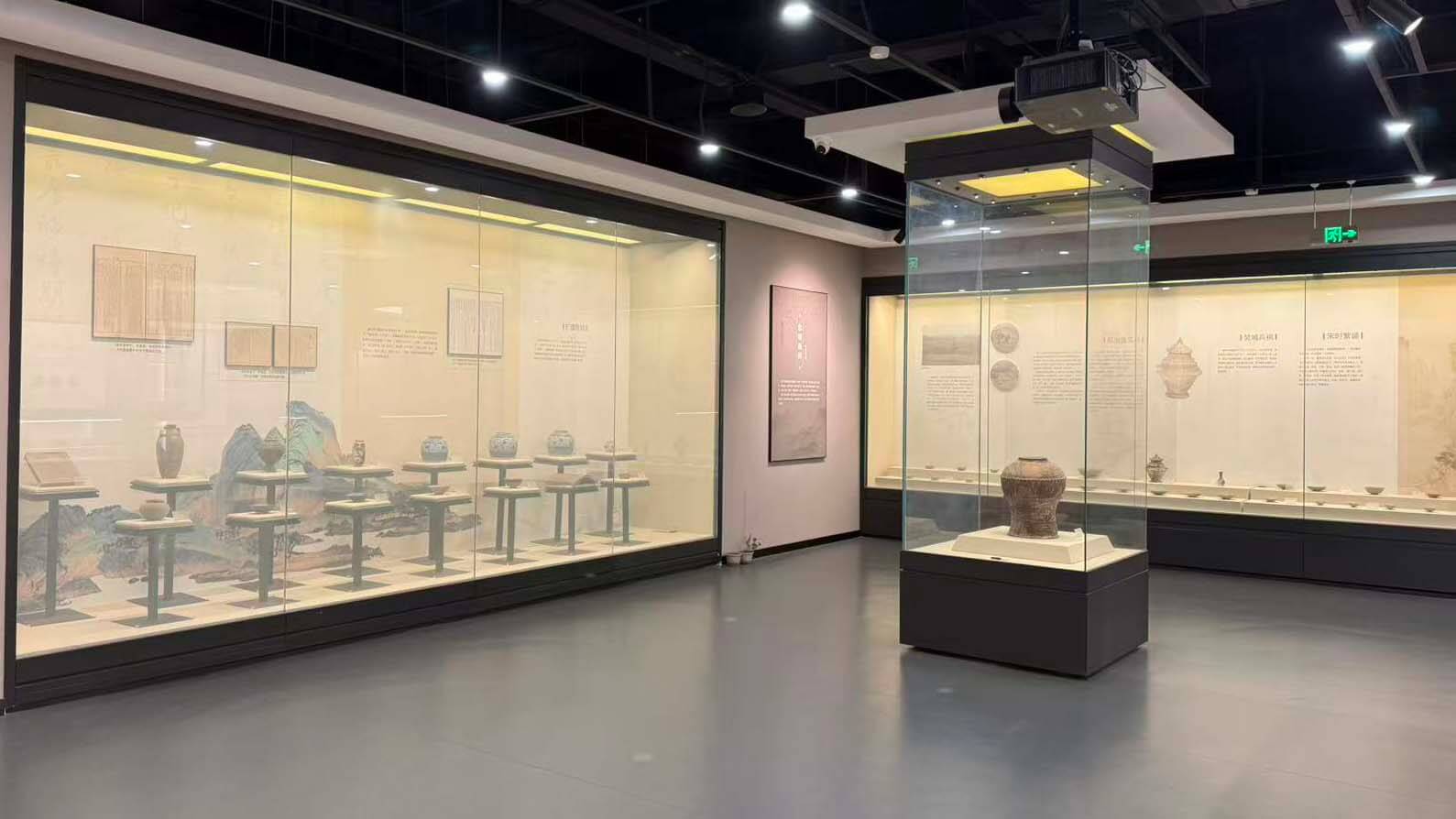
collectors museum display case

Lighting Integration

Integrated lighting systems are another major pricing factor.

Effective museum display case design often incorporates LED lighting with adjustable intensity and low ultraviolet output.

Customized lighting layouts and concealed wiring structures may require additional engineering and fabrication work.

Security Features

Security requirements can significantly influence the final project budget, especially when selecting a secure exhibition display case with advanced protection systems.

A secure exhibition display case may include advanced locking systems, vibration resistance, reinforced structures, alarm integration, or access control compatibility.

Higher security standards generally require more specialized engineering and testing processes.

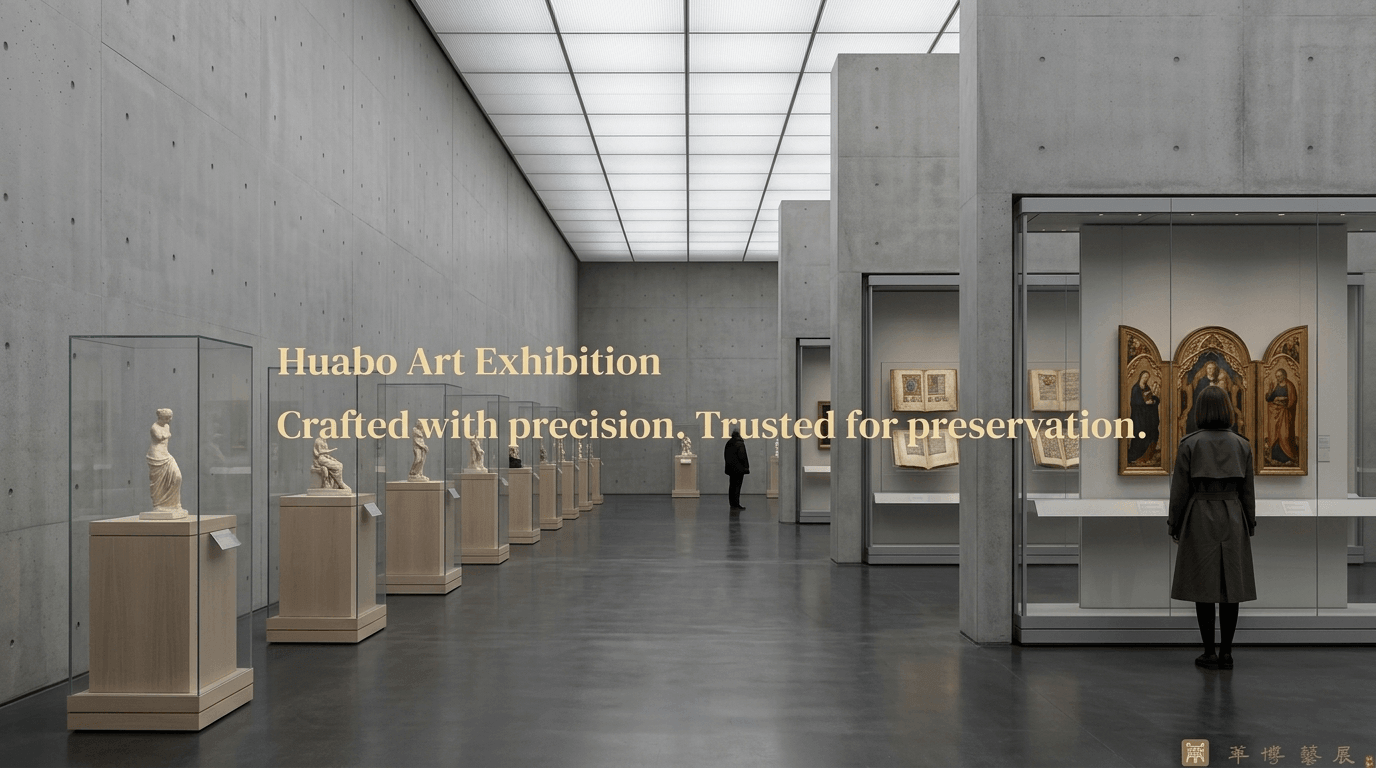
museum display case cost

Installation and Transportation

Large museum display cases often require professional installation and specialized transportation.

Factors such as project location, site accessibility, overseas shipping, and installation complexity all contribute to the total project cost.

For international museum projects, logistics planning should be considered early in the budgeting process.

Customization and Project Scope

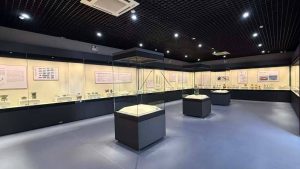
Highly customized museum display cabinets typically involve additional design development, prototyping, and coordination between curators, designers, and engineers.

In addition, larger projects can achieve cost savings through volume production, reducing the typical cost per display cabinet across multiple units.

Balancing Budget and Long-Term Value

While cost is an important consideration, museums should also evaluate long-term value.

High-quality museum display cases often provide better durability, lower maintenance requirements, improved conservation performance, and greater exhibition flexibility over time.

Understanding how to choose the right museum display case helps museums balance long-term preservation, functionality, and budget planning.

Gemini Generated 1
Scroll to Top